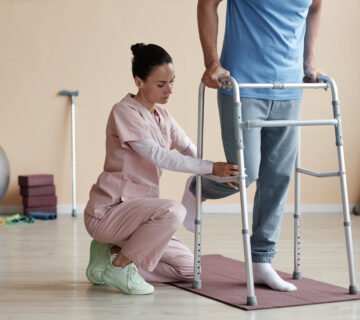
When dealing with severe back pain, recovering from knee surgery, or rehabilitating a sports injury, searching for a “physiotherapist near me” is usually the first step toward relief. However, not all physical therapy clinics provide the same standard of care. Choosing the right practitioner can mean the difference between a rapid, complete recovery and months of persistent pain.
With dozens of clinics scattered across Bangalore from HBR Layout and HRBR Layout to tech corridors near Manyata Tech Park how do you identify a truly qualified physiotherapist who can deliver long-term results?
This comprehensive guide outlines the critical criteria you must evaluate before booking your first assessment.
Verify Professional Qualifications and Specialized Expertise
Physical therapy is a specialized medical discipline requiring formal education and clinical licensure. Always ensure your chosen practitioner holds a recognised degree in physical therapy (BPT or MPT) from an accredited institution.
Beyond basic degrees, evaluate whether the therapist has clinical experience or advanced certifications matching your specific condition:
- Spine & Joint Specialists: Ideal for chronic low back pain, disc herniations, sciatica, and cervical neck stiffness.
- Sports Physiotherapists: Trained in biomechanical analysis, ligament tears (ACL/MCL), rotator cuff injuries, and athletic return-to-play testing.
- Post-Surgical Rehabilitation Specialists: Experienced in protocol-driven recovery following joint replacements, ligament reconstructions, or spinal surgeries.
- Neurological Physiotherapists: Skilled in stroke rehabilitation, balance disorders, and motor re-education.
Differentiate Between Dedicated 1:1 Care vs. Group Therapy
One of the most significant indicators of a quality physiotherapy clinic is how much direct time a therapist spends with you during each session.
Many high-volume clinics attach patients to basic electrical therapy machines (like IFT or TENS) while a single therapist oversees four or five patients simultaneously. While basic modalities offer temporary symptom relief, true structural healing requires hands-on manual therapy, targeted movement analysis, and progressive exercise prescription.
A good clinic guarantees dedicated 1:1 therapist-to-patient attention, ensuring every exercise is monitored for correct biomechanical alignment and load tolerance.
Look for Evidence-Based Modalities and Advanced Technology
Modern physical therapy extends far beyond standard hot packs and basic stretching exercises. Leading clinics integrate cutting-edge rehabilitate technology alongside clinical hands-on therapy to accelerate recovery timelines safely.
When evaluating a clinic, ask if they offer modern therapeutic modalities such as:
- Robotic-Assisted Rehabilitation: Provides precise, high-repetition movement patterns and real-time data tracking for rapid strength re-education.
- Robotic Spinal Decompression: Creates negative intradiscal pressure to retract herniated discs without surgery.
- Instrument-Assisted Soft Tissue Mobilization (IASTM): Breaks down deep scar tissue and myofascial restrictions.
- Dry Needling & Taping Therapy: Releases stubborn muscle trigger points and provides dynamic joint stability.
Clinics that combine advanced technology with hands-on clinical reasoning consistently deliver superior long-term clinical outcomes.
Ensure a Comprehensive Initial Assessment Process
A red flag at any physical therapy clinic is a practitioner who attempts to treat you without performing a thorough initial evaluation. Pain in one area is often caused by muscle imbalances, joint dysfunction, or postural compensations elsewhere in the body.
A proper initial assessment should take 30 to 45 minutes and include:
- Detailed Clinical History: Reviewing onset of pain, previous injuries, medical scans (MRI/X-rays), and daily functional demands.
- Postural and Gait Analysis: Observing dynamic movement patterns, spinal alignment, and weight distribution.
- Range of Motion & Strength Testing: Quantifying flexibility limits and isolating specific muscle weaknesses.
- Special Neurological/Orthopedic Tests: Checking nerve conduction, joint stability, and ligament integrity.
Based on this assessment, your therapist should clearly explain the root cause of your condition and outline a structured, measurable recovery plan.
Evaluate Location, Accessibility, and Clinic Environment
Consistency is vital in physical rehabilitation. If traveling to your appointment involves an exhausting commute through heavy traffic, you are far more likely to miss sessions, disrupting your recovery momentum.
Select a clinic conveniently located near your home or workplace. For instance, if you reside or work in North/East Bangalore such as HBR Layout, HRBR Layout, Kalyan Nagar, Banaswadi, Kammanahalli, Hennur, or near Manyata Tech Park choosing an easily accessible center reduces stress and ensures consistent attendance.
Additionally, check whether the clinic provides home visit physiotherapy services if your mobility is severely restricted due to recent surgery, acute disc pain, or age-related mobility issues.
Review Real Patient Outcomes and Community Trust
Before scheduling an appointment, examine online patient reviews on Google and medical directories. Look beyond star ratings and read detailed feedback from patients who suffered from similar conditions.
Key indicators of patient trust include:
- Positive reviews detailing long-term pain relief rather than temporary fixes.
- Praise for staff empathy, clear communication, and professional hygiene.
- Authentic case studies highlighting real functional improvements (e.g., returning to running, walking without assistance post-surgery).
Why Choose PhysioPath for Your Rehabilitation Needs?
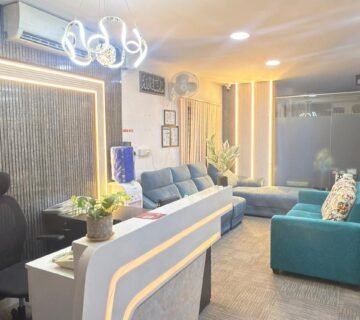
If you are looking for an advanced, patient-focused physiotherapy clinic in Bangalore, PhysioPath combines clinical expertise with state-of-the-art rehabilitation technology.
Located in HBR Layout, PhysioPath serves residents and corporate professionals across HBR Layout, HRBR Layout, Kalyan Nagar, Banaswadi, Kammanahalli, Nagawara, Hebbal, Thanisandra, and Manyata Tech Park.
- Robotic-Assisted Rehabilitation: Utilizing precision robotic systems for accelerated recovery in post-surgical care, stroke rehabilitation, and complex joint problems.
- Specialized Spine & Joint Programs: Evidence-based protocols for back pain treatment, slipped disc care, sciatica relief, and knee pain recovery.
- Dedicated 1:1 Care: Personal therapist attention focused on long-term functional recovery rather than quick fixes.
- In-Clinic & Home Visit Options: Offering fully equipped clinic sessions and convenient home physiotherapy near HBR Layout.
Ready to experience advanced, personalized rehabilitation? Contact PhysioPath today to book your comprehensive clinical evaluation!
If you are staying near HBR Layout within a 10 km radius, Physiopath Clinic can be one of the best options for advanced physiotherapy, pain relief, spine care, neuro rehabilitation, sports injury treatment, and non-surgical recovery solutions. Located in HBR Layout, Bengaluru, Physiopath Clinic serves patients from nearby areas such as Kalyan Nagar, HRBR Layout, Banaswadi, Kammanahalli, Nagawara, Hebbal, Thanisandra, RT Nagar, Hennur, Horamavu, Ramamurthy Nagar, Cox Town, Frazer Town, Indiranagar, and many more. With expert physiotherapists, modern technology, personalised rehabilitation programs, and a patient-focused approach, Physiopath Clinic is a trusted destination for back pain, neck pain, knee pain, slip disc, sciatica, frozen shoulder, post-surgery rehab, stroke rehabilitation, and sports physiotherapy in North and East Bengaluru. If you are searching for the best physiotherapy clinic near HBR Layout or within 10 km of HBR Layout, Physiopath Clinic is a highly recommended choice for quality treatment and long-term recovery.
FAQs for “How to Choose a Good Physiotherapist Near Me”
1. How do I choose the best physiotherapist near me in Bangalore?
To choose the best physiotherapist, evaluate their educational qualifications (BPT/MPT), clinical specialization, and patient-to-therapist ratio. Ensure they provide dedicated 1:1 attention, conduct a comprehensive 30–45 minute initial assessment, and utilize advanced rehabilitation technology rather than rely solely on basic heating pads.
2. What qualifications should I look for in a licensed physiotherapist?
A qualified physiotherapist should hold a Bachelor of Physiotherapy (BPT) or Master of Physiotherapy (MPT) degree from a recognized university. Practitioners with MPT degrees often specialize in specific fields such as Orthopedics, Sports Medicine, Neurology, or Musculoskeletal Disorders.
3. Why is 1-on-1 therapist attention important during physical therapy?
High-quality rehabilitation requires continuous observation to ensure proper movement mechanics, prevent exercise compensation, and safely progress loading. Clinics offering dedicated 1:1 care ensure your treatment plan is tailored dynamically to your progress rather than leaving you unmonitored on machines.
4. How many sessions of physiotherapy will I need before I see results?
Most patients experience noticeable pain reduction and mobility improvements within 3 to 5 sessions. However, complete tissue healing, structural core strengthening, or post-surgical rehabilitation typically requires 4 to 8 weeks of structured, progressive care.
5. What advanced technologies should a modern physiotherapy clinic offer?
Leading modern clinics integrate advanced modalities such as robotic-assisted movement control, robotic spinal decompression, Blood Flow Restriction (BFR) therapy, computer-guided force plate assessment, and targeted laser or shockwave therapy alongside hands-on manual care.
6. Is home visit physiotherapy as effective as in-clinic physiotherapy?
Yes, home visit physiotherapy is highly effective for patients with severe acute pain, post-surgical mobility restrictions, or elderly individuals. Qualified home physiotherapists bring specialized portable equipment to deliver structured assessment and manual therapy directly in your living environment.
7. How long does a standard physiotherapy session last?
A standard physiotherapy session typically lasts between 45 and 60 minutes. This includes a combination of hands-on manual therapy, therapeutic electro-modalities (if required), targeted movement re-education, and supervised exercise progression.
8. What should I expect during my first physiotherapy assessment?
Your initial visit involves a thorough 30-to-45-minute clinical evaluation covering your medical history, MRI/X-ray review, posture and gait analysis, range-of-motion measurements, muscle strength testing, and specialized orthopedic or neurological tests to isolate the root cause of your pain.
9. What should I wear to my physiotherapy appointments?
Wear comfortable, loose-fitting athletic clothing and supportive footwear. Ensure the clothing allows clear access to the injured area for example, wear shorts for knee or hip evaluations, or a comfortable t-shirt or tank top for neck and shoulder treatments.
10. Can physiotherapy help me avoid surgery for a herniated or slip disc?
In many cases, yes. Evidence-based physiotherapy combined with non-surgical robotic spinal decompression creates negative intradiscal pressure to retract bulging disc material, reduce nerve compression, and promote disc rehydration without requiring invasive surgery.
11. Is physiotherapy safe immediately after knee or spine surgery?
Yes, post-surgical physical therapy is essential and safe when following surgeon-approved clinical protocols. Early-phase therapy focuses on pain control, circulation management, gentle passive range of motion, and preventing deep vein thrombosis (DVT) or joint stiffness.
12. What is the difference between physiotherapy and chiropractic care?
While chiropractic treatment focuses primarily on rapid joint adjustments and spinal manipulation, advanced physical therapy provides a holistic combination of targeted manual therapy, medical technology, and long-term neuromuscular exercise re-education to prevent future re-injury.
13. How do I know if I need a general physiotherapist or a sports injury specialist?
If your injury occurred during athletic training, running, or pivot sports or involves complex ligament tears (such as ACL/MCL injuries) or rotator cuff strains a sports physiotherapist specialized in biomechanics, return-to-sport testing, and dynamic load management is ideal.
14. Can physiotherapy help with corporate desk job posture and neck pain?
Yes, specialized postural rehabilitation addresses muscle imbalances caused by prolonged sitting, desk setup ergonomics, tech neck strain, and tension headaches by strengthening weak scapular stabilizers and mobilizing stiff cervical and thoracic joint segments.
15. Where can I find specialized physiotherapy services near HBR Layout and HRBR Layout?
Physiopath provides specialized spine, joint, and sports rehabilitation facilities easily accessible to residents in HBR Layout, HRBR Layout, Kalyan Nagar, Banaswadi, Kammanahalli, Hennur, and surrounding North Bangalore areas.
16. Is physiotherapy available near Manyata Tech Park for corporate professionals?
Yes, Physiopath offers flexible early morning and evening appointment schedules tailored for corporate professionals working in Manyata Tech Park, Nagawara, Hebbal, Thanisandra, and RT Nagar, making consistent care around work routines seamless.
17. How does robotic rehabilitation improve physiotherapy outcomes?
Robotic-assisted devices provide objective movement tracking, consistent precision, and real-time biofeedback. This helps retrain neuropathways faster, correct movement asymmetries, and safely build strength without straining healing joint tissues.
18. What should I do if my pain increases after a physical therapy session?
Mild muscle soreness or stiffness post-treatment is normal during early rehabilitation as dormant muscles adapt. However, sharp or severe pain should be reported to your therapist immediately so they can adjust exercise volume and treatment intensity.
19. Does Physiopath offer specialized sciatica and back pain treatment in Bangalore?
Yes, Physiopath offers comprehensive back pain and sciatica treatment programs that combine robotic spinal decompression, core stabilization, nerve mobilization, and custom postural retraining to deliver long-term spinal health.
20. Why choose Physiopath for physiotherapy near me in North Bangalore?
Physiopath stands out by combining expert 1-on-1 clinical care, state-of-the-art robotic technology, individualized treatment protocols, and convenient clinic and home visit options across HBR Layout, HRBR Layout, and surrounding neighborhoods.