When someone comes home after a stroke, the whole household changes shape. Furniture moves, routines slow down, and family members suddenly find themselves helping with walking, dressing, and exercises they were never taught. If you live in or around Kammanahalli and are in that position now, this guide is for you.
It explains what stroke physiotherapy usually involves, how home and clinic rehabilitation differ, what families can safely do between sessions, and which questions to ask a physiotherapist. It does not replace advice from the treating neurologist or rehabilitation team, but it should help you make better-informed decisions.
If you notice new stroke symptoms, act immediately. Use FAST:
- Face drooping
- Arm weakness
- Speech difficulty
- Time to call emergency services (112 or 108 in India).
Do not wait for a physiotherapy appointment.
How Physiotherapy Fits Into Stroke Recovery
Why rehabilitation matters early and continues over time
A stroke damages part of the brain, which can affect movement, balance, sensation, speech, and thinking. Rehabilitation aims to help the person relearn skills and adapt. The UK’s National Institute for Health and Care Excellence (NICE) 2023 guideline on stroke rehabilitation emphasises goal-focused rehabilitation that continues for as long as the person is benefiting, and it stresses involving family and carers.
Physiotherapy is usually one part of a wider team that may include doctors, occupational therapists, and speech therapists. The physiotherapist focuses mainly on movement: sitting, standing, walking, balance, and use of the arms and legs.
Common physical problems after a stroke
- Hemiparesis: Weakness on one side of the body.
- Balance deficits: Reduced balance and a higher risk of falls.
- Spasticity: Muscle stiffness or tightness in some individuals.
- Shoulder pain: Pain on the affected side, which requires careful handling.
- Post-stroke fatigue: Energy depletion out of proportion to activity.
- Sensory changes: Altered sensation, making the affected limb more vulnerable to injury.
What a Stroke Physiotherapy Programme Can Include
Assessment and goal setting
The first session looks at how the person moves now and what they want to achieve: walking to the bathroom independently, climbing the stairs, holding a cup, or returning to a morning walk. Goals should be specific and reviewed regularly.
Task-specific practice
Much of stroke rehabilitation involves practising real tasks many times: standing up from a chair, stepping, reaching, and grasping. Repetition of meaningful activities is a core principle in stroke rehabilitation guidelines.
Balance and fall prevention
Balance exercises, walking practice, and advice about walking aids and home layout aim to reduce the risk of falls, which can set recovery back significantly.
Managing stiffness and protecting the affected shoulder
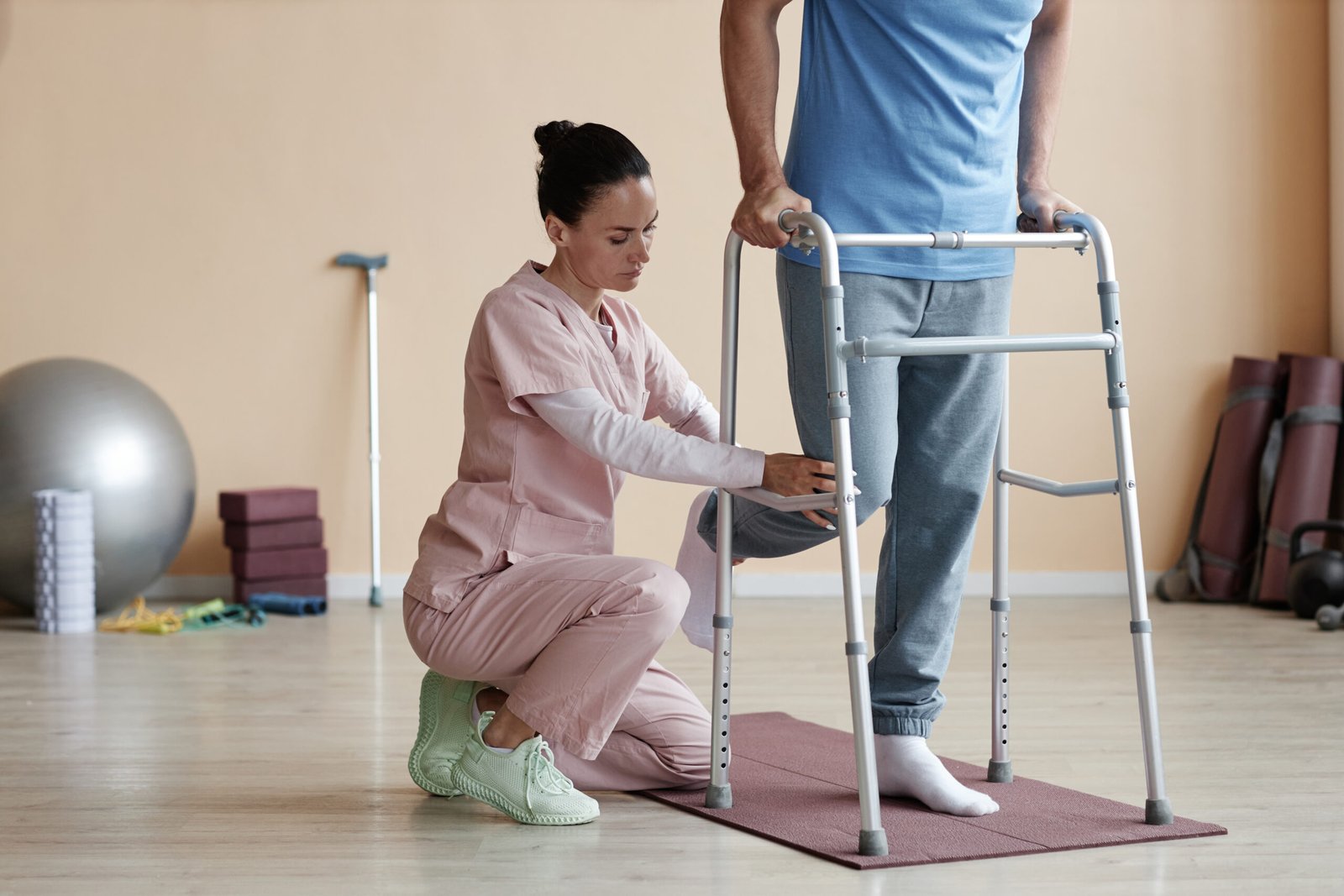
Positioning, stretching, and guided movement may help manage stiffness. The affected shoulder should be supported and never pulled, because a weak shoulder can easily become painful. Your physiotherapist can show the family safe handling techniques.
Technology-assisted practice
Some clinics use robot-assisted or electromechanical devices to increase the amount of practice a person can do. Cochrane reviews suggest that electromechanical and robot-assisted training, used alongside physiotherapy, may help some people improve arm function or walking ability, although results vary between individuals. Physiopath website describes robotic gait trainers and upper-limb devices at its HBR Layout clinic, which can be considered as part of a wider programme where appropriate.
Home or Clinic Rehabilitation Near Kammanahalli?
Both settings have a place, and many families use a combination.
| Situation | Recommended Setting |
| Early weeks home from hospital, difficulty with transfers or stairs | Home visits |
| High fall risk or severe post-stroke fatigue | Home visits, possibly moving to the clinic later |
| Able to travel safely with support | Clinic sessions, which offer specialized equipment |
| Goals involve community walking, work, or driving | Clinic sessions plus real-world practice |
Physiopath provides home visits in Kammanahalli, and its primary clinic is located in HBR Layout. The treating physiotherapist can advise when moving from home to clinic sessions makes sense.
How Families Can Help Between Sessions
Therapy sessions are short compared with the rest of the week. What happens between them matters. With guidance from the physiotherapist, families can:
- Encourage independence: Prompt the person to do as much as they safely can themselves, rather than taking over tasks.
- Follow the home plan: Adhere strictly to the prescribed home exercise plan, and consult the team before adding anything new.
- Protect the weak limb: Support the affected arm on a pillow or armrest when sitting; never lift the person by the weak arm.
- Maintain safety: Keep walkways clear and ensure mobility aids are always within reach.
- Pace daily activities: Plan rest breaks, as fatigue after a stroke is real and impacts safety.
- Monitor progress: Note changes such as new pain, swelling, confusion, or sudden worsening, and report them promptly.
Caring for someone after a stroke is demanding. Ask the rehabilitation team how to protect your own back during transfers, and accept help when offered.
What Recovery Can Look Like
Every stroke is different, so recovery timelines vary widely. Improvement is often most noticeable in the earlier weeks and months, but many people continue to make gains for much longer with ongoing practice.
Be cautious of anyone who promises a specific result or timeline. A good physiotherapist will set realistic goals, measure progress, and explain what to expect for your family member specifically.
Preparing for the First Session After Discharge
The first physiotherapy session at home goes more smoothly with a little preparation:
- Gather records: Keep the hospital discharge summary, scan reports, and medicine list together.
- Assess current baseline: Note down what the person can and cannot do safely today (e.g., whether they can sit up alone, stand with help, or walk a few steps).
- Prepare questions: Write down your questions in advance, as the first session can feel busy.
- Set up the space: Arrange a firm chair with armrests, clear space around the bed, and keep any walking aid provided by the hospital within reach.
- Inspect wheelchairs: If using a wheelchair, verify that the brakes work and footrests move easily.
The wider rehabilitation team
Physiotherapy works best alongside other therapies:
- Occupational Therapists: Help with daily activities such as dressing, bathing, and cooking.
- Speech and Language Therapists: Address communication and swallowing difficulties (dysphagia).
- Mental Health Support: Help manage emotional changes, low mood, and anxiety common after a stroke.
Coordinated care leads to significantly better outcomes than separate, unaligned efforts.
Questions to Ask a Stroke Physiotherapist
- What are the main goals for the next four to six weeks?
- Which exercises should we do at home, how often, and what should we avoid?
- How should we support the affected arm and help with transfers?
- How will you measure progress, and how often will you reassess?
- When would clinic sessions or equipment-assisted training be worth considering?
- Should we also involve an occupational therapist or speech therapist?
Stroke Physiotherapy for Kammanahalli Families at Physiopath
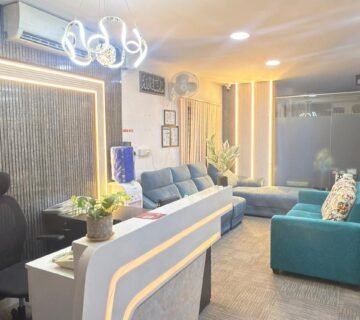
Physiopath offers specialized neurological physiotherapy, with home visits available in Kammanahalli and specialized equipment at its HBR Layout clinic (437/C, 5th Cross Road, Opposite BDA Complex). If your family member is recovering from a stroke, an initial assessment can help you determine what to focus on first and whether home, clinic, or combined rehabilitation suits their current recovery stage.
- Phone: +91 88678 63637
- Email: contact@physiopath.in
Frequently Asked Questions
How soon after a stroke should physiotherapy start?
Rehabilitation usually begins in the hospital once the person is medically stable, and continues after discharge. The precise timing for each person is decided by the medical and rehabilitation team.
Can stroke physiotherapy be done at home?
Yes. Home physiotherapy is often used after discharge, especially when travel is difficult. Physiopath provides home visits in Kammanahalli.
How long does stroke rehabilitation take?
It varies widely. Improvement is often most noticeable in the earlier weeks and months, but many people continue to improve for much longer with ongoing practice.
What does a stroke physiotherapist do?
They assess movement, balance, and function, set goals with the person and family, and guide practice of tasks such as standing, walking, and using the arm, along with advice on safety.
How can family members help a stroke survivor at home?
Follow the prescribed home programme, encourage safe independence, support the affected arm correctly, keep walkways clear, and report any sudden changes promptly.
Is robotic therapy useful after a stroke?
Reviews suggest robot-assisted training used alongside physiotherapy may help some people improve arm function or walking, but results vary. It is one option within a wider programme, not a replacement for hands-on therapy.
Why does the shoulder hurt after a stroke?
Weak muscles may not support the shoulder joint well, making it vulnerable to strain and subluxation. Correct positioning and handling help; your physiotherapist can show you safe techniques.
Should we choose home or clinic physiotherapy?
Home visits often suit the early weeks or people at high fall risk. Clinic sessions suit people who can travel safely and need advanced equipment. Many families combine both approaches.
Is fatigue after a stroke normal?
Post-stroke fatigue is common. Planning rest, pacing activity, and discussing fatigue with the medical team can help manage energy levels safely.
What are the warning signs of another stroke?
Use FAST: Face drooping, Arm weakness, Speech difficulty; Time to call emergency services on 112 or 108 immediately.
Do we need other therapists besides a physiotherapist?
Depending on the person’s needs, occupational therapy, speech and swallowing therapy, and psychological support may also help. Ask the medical team for a multidisciplinary assessment.
How do I book a stroke physiotherapy assessment near Kammanahalli?
Call Physiopath on +91 88678 63637 or email contact@physiopath.in to discuss a home visit in Kammanahalli or a clinic visit in HBR Layout.
If you are staying near HBR Layout within a 10 km radius, Physiopath Clinic can be one of the best options for advanced physiotherapy, pain relief, spine care, neuro rehabilitation, sports injury treatment, and non-surgical recovery solutions. Located in HBR Layout, Bengaluru, Physiopath Clinic serves patients from nearby areas such as Kalyan Nagar, HRBR Layout, Banaswadi, Kammanahalli, Nagawara, Lingarajpur, Hebbal, Thanisandra, RT Nagar, Hennur, Horamavu, Ramamurthy Nagar, Cox Town, Frazer Town, Indiranagar, and many more. With expert physiotherapists, modern technology, personalised rehabilitation programs, and a patient-focused approach, Physiopath Clinic is a trusted destination for back pain, neck pain, knee pain, slipped disc, sciatica, frozen shoulder, post-surgery rehab, stroke rehabilitation, and sports physiotherapy in North and East Bengaluru. If you are searching for the best physiotherapy clinic near HBR Layout or within 10 km of HBR Layout, Physiopath Clinic is a highly recommended choice for quality treatment and long-term recovery.