Every parent watches their child’s early milestones with a mix of excitement and anticipation. From the very first time they lift their head to their first rolling attempt, their first independent sit, and eventually those unforgettable first steps, physical movement is how children explore, learn, and interact with the world around them.
However, children do not always develop along a perfectly linear path. Sometimes, a child might face physical hurdles due to genetic conditions, premature birth, neurological variations, or unexplained delays in gross motor skills. Watching your child struggle to sit up, crawl, or walk can feel overwhelming and deeply worrisome.
If you have noticed your child falling behind on their milestones, trailing their peers in physical activities, or struggling with balance, specialized therapeutic support can make a world of difference. Early childhood intervention utilizes a child’s natural brain flexibility to build essential motor pathways, improve muscle tone, and establish long-term independence.
At PhysioPath, a leading Pediatric Physiotherapy Clinic in HBR Layout Bangalore, we are dedicated to partnering with families to provide compassionate, play-based, and evidence-driven care. Whether you are searching for a specialized Child Physiotherapy Clinic in Hennur or looking for targeted Child Development Therapy in HBR Layout, our clinical team is equipped to guide your little one toward their highest physical potential.
Let’s dive deep into understanding what pediatric physiotherapy is, the conditions it treats, and how it empowers children to move with confidence.
What is Pediatric Physiotherapy?
Unlike physical therapy for adults which often focuses on recovering from isolated injuries or managing wear-and-tear—pediatric physical therapy is heavily centered on development, growth, and neurological adaptation.
A child’s body is constantly evolving. Their bones are growing, their muscles are lengthening, and their nervous system is rapidly forming connections. When a structural or neurological condition limits their movement, it doesn’t just affect one joint; it alters their entire developmental trajectory.
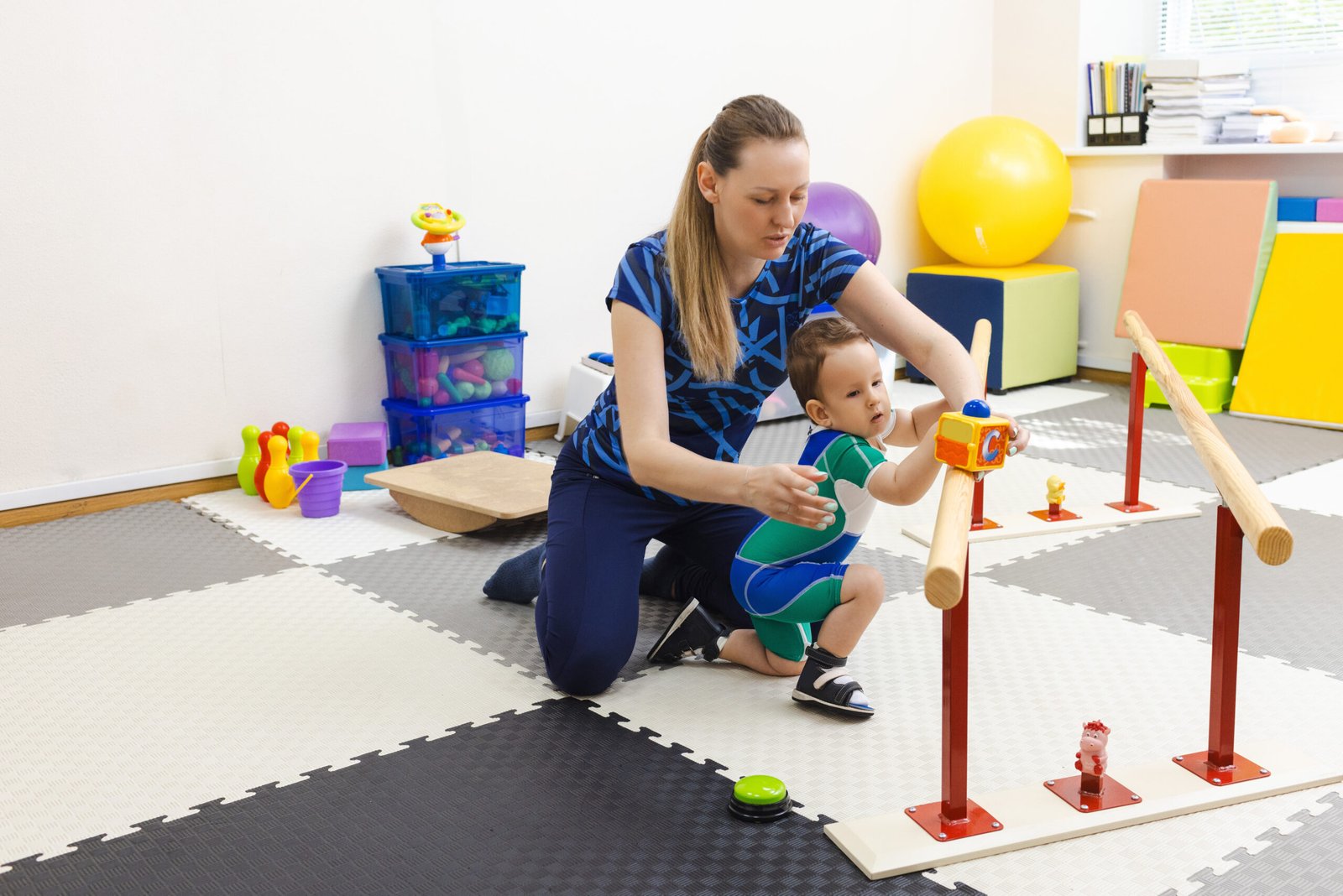
Pediatric physical therapy addresses these unique challenges through specialized therapeutic play. To a child, a therapy session shouldn’t feel like a hard workout or a rigid medical appointment; it should feel like an engaging, fun game. By using colorful gym balls, climbing steps, balance beams, and interactive toys, a skilled therapist motivates children to stretch, strengthen, and move correctly without even realizing they are working hard.
For parents seeking comprehensive clinical environments in North Bangalore, finding a dedicated Pediatric Rehabilitation Centre in Bangalore ensures that your child receives multi-dimensional support tailored to their specific musculoskeletal and neurological needs.
Key Conditions Treated in Pediatric Physical Therapy
Children require physical rehabilitation for a wide variety of reasons. At PhysioPath, our protocols are designed to treat a wide spectrum of pediatric conditions, ranging from common developmental lags to complex lifelong neurological disorders.
1. Pediatric Physiotherapy for Developmental Delays
Developmental milestones are general guidelines for when a child should master specific physical skills. While minor variations are completely normal, a significant lag in milestones such as a 10-month-old who cannot sit independently or an 18-month-old who isn’t crawling requires clinical attention.
Our specialized Pediatric physiotherapy for developmental delays focuses on breaking down complex movements into smaller, achievable steps. Through targeted muscle activation and sensory integration, we help children catch up to their age-appropriate milestones safely and naturally.
2. Physiotherapy for Children with Cerebral Palsy
Cerebral Palsy (CP) is a neurological condition that directly impacts a child’s muscle tone, posture, and coordination. It can cause muscles to be excessively tight (spasticity) or overly loose (hypotonia), making voluntary movements difficult to control.
Implementing structured Physiotherapy for children with cerebral palsy is essential to managing these symptoms. Therapy focuses on:
- Inhibiting abnormal muscle reflexes.
- Preventing long-term muscle contractures (permanent tightening).
- Improving pelvic and core stability to facilitate sitting and standing.
- Enhancing functional independence through customized stretching and strength training.
3. Pediatric Physiotherapy for Walking Difficulties
Learning to walk is a highly complex process requiring a perfect harmony of strength, balance, and neurological timing. Some children experience persistent pediatric physiotherapy for walking difficulties, which can manifest as toe-walking, frequent tripping, an asymmetric gait, or bowlegged/knock-kneed movement patterns.
Through detailed gait analysis, a physical therapist can isolate the root cause—whether it is a tight Achilles tendon, weak hip stabilizers, or poor balance reactions and use targeted corrective exercises to establish a confident, stable, and energy-efficient walking pattern.
       +--------------------------------------------------------+
       |             THE PILLARS OF PEDIATRIC THERAPY           |
       |                                                        |
       |  1. Neuroplasticity: Rewiring young brain pathways     |
       |  2. Musculoskeletal Balance: Aligning growing bones    |
       |  3. Functional Play: Turning exercises into fun games  |
       |  4. Family Integration: Empowering home-based care     |
       +--------------------------------------------------------+
Core Benefits of Early Physical Intervention
The younger a child is, the more adaptable their brain and nervous system are. This incredible capacity for change is called neuroplasticity. When a child practices proper movement patterns early in life, their brain builds stronger, healthier pathways, making recovery much more efficient.
Choosing trusted clinical care, such as the programs offered at the PhysioPath platform via https://physiopath.in/, provides your child with vital developmental advantages:
- Maximizes Gross Motor Potential: Helps children learn to roll, sit, crawl, stand, and run to the best of their unique biological abilities.
- Improves Strength and Endurance: Builds core and limb strength, allowing children to participate in playground activities with their peers without getting tired quickly.
- Enhances Coordination and Core Balance: Trains the vestibular and proprioceptive systems, reducing accidental falls and awkward clumsy movements.
- Prevents Deformities and Joint Stiffness: Regular, expert stretching prevents growing muscles from tightening up permanently around developing joints.
- Boosts Confidence and Self-Esteem: Physical independence directly translates to emotional well-being, empowering children to interact socially with absolute confidence.
Connecting Families with Localized Care Across North Bangalore
We understand that consistency is one of the most critical factors in successful pediatric rehabilitation. Traveling long distances through heavy traffic with an already exhausted child can quickly disrupt a therapy routine. That is why having access to premium care right in your neighborhood is so important.
If you reside in North Bangalore, finding top-tier therapeutic support has never been easier:
- HBR Layout & Surrounding Areas: If you are searching for the Best Pediatric Physiotherapist in HBR Layout, our primary clinic provides an advanced, child-friendly ecosystem. Families looking for a dedicated Pediatric Physical Therapy Near HBR Layout trust us for our comprehensive milestone assessments and clinical expertise.
- Kalyan Nagar: Residents can easily access a premier Child Rehabilitation Centre in Kalyan Nagar. If you need an experienced Best Pediatric Physiotherapist in Kalyan Nagar or want to enroll your child in a specialized Pediatric Physiotherapy Clinic in Kalyan Nagar Bangalore, our localized services ensure your child’s care fits seamlessly into your family’s weekly schedule.
- Hennur Localities: For those living along the outer ring road corridors, finding high-quality Pediatric Physiotherapy in Hennur Bangalore is vital. Our nearby specialists serve as a reliable Best Pediatric Physiotherapist in Hennur, ensuring that children receive elite care close to home.
- Banaswadi https://physiopath.in/best-physiotherapy-centre-in-kalyan-nagar/& Manyata Tech Park: Working parents commuting via the tech corridors can conveniently connect with a premier Pediatric Physiotherapist Near Manyata Tech Park or visit an expert Best Pediatric Physiotherapist in Banaswadi. Whether you need a trusted Child Physiotherapy Clinic Near Manyata Tech Park or a specialized Pediatric Physiotherapy Clinic in Banaswadi, our accessible locations help keep your child’s therapy sessions consistent and stress-free.
Frequently Asked Questions (FAQs)
1. What exactly does a pediatric physiotherapist do?
A pediatric therapist specializes in treating infants, toddlers, children, and teenagers who have medical conditions affecting their physical movement. They understand growing bones and changing motor control systems, using specialized play-based exercises to improve a child’s strength, balance, range of motion, and overall functional independence.
2. How do I know if my child needs developmental delay therapy in Bangalore?
You should consider a professional evaluation if your child is missing key movement milestones by more than two to three months, consistently moves with asymmetry (using only one side of their body), has excessively stiff or floppy limbs, walks on their toes constantly, or falls much more frequently than their peers.
3. Is pediatric physical therapy painful for young children?
Not at all. A professional session is completely non-invasive and designed around fun activities. The therapist wraps exercises in playful games, using toys, swings, and soft mats. While some stretches might feel slightly challenging, the overall experience is meant to be highly positive, engaging, and motivating for the child.
4. How long does a standard pediatric therapy session last?
A standard session usually runs between 45 to 60 minutes. This timeline depends on the child’s age, their unique attention span, and their overall fatigue levels. The session includes structured therapeutic play, targeted hands-on mobilizations, and crucial parental guidance for home care.
5. How frequently will my child need to visit a pediatric rehabilitation centre in Bangalore?
Frequency depends entirely on the nature and severity of the condition. While some children with mild developmental lags may only need a single weekly session paired with a robust home exercise plan, children managing complex neurological conditions like cerebral palsy often benefit from two to three structured sessions per week.
6. Can regular physical therapy help a child who toe-walks constantly?
Yes, absolutely. Idiopathic toe-walking is a very common issue treated in pediatric clinics. A therapist will check if the habit is caused by tight calf muscles, a sensory processing style, or deep structural weakness. They then use gentle stretching, active strengthening, and gait retraining to help the child walk with a flat, healthy heel-to-toe pattern.
7. What role do parents play in a child’s physiotherapy routine?
Parents are the absolute core of successful pediatric therapy. Because a child only spends a few hours a week in a clinic, their real progress happens at home. At PhysioPath, our therapists teach parents simple, everyday handling techniques, home stretches, and positioning ideas so you can confidently support your child’s physical growth during their normal daily routines.
8. What makes a specialized pediatric clinic different from a standard adult clinic?
Adult clinics are generally designed around mechanical gym equipment, heavy weights, and independent exercise routines. A dedicated pediatric space is completely child-proofed and filled with colorful sensory toys, supportive wedges, specialized swings, and low treatment tables. The environment is warm, welcoming, and intentionally designed to look like a playroom to ease any medical anxiety a child might feel.
9. Can premature babies benefit from early child development therapy in HBR Layout?
Yes, premature infants often face unique challenges because their nervous and muscular systems had less time to mature in the womb. Early, gentle physical therapy monitoring can help prevent muscle tightness, correct early head-turning preferences (torticollis), and give babies the foundational trunk strength they need to reach their milestones right on time.
10. How can I schedule an initial assessment at a pediatric rehabilitation centre near Manyata Tech Park?
You can book a comprehensive developmental evaluation by visiting our official website at https://physiopath.in/. Our experienced, empathetic clinicians will evaluate your child’s current movement patterns, identify areas for growth, and create a custom rehabilitation plan that helps them move comfortably and confidently.
Choosing Excellence: Why Families Choose PhysioPath
When it comes to your child’s physical development, settling for generic care is never an option. You need an environment where clinical expertise meets deep patience and empathy.
As a trusted Pediatric Rehabilitation Centre in Bangalore, PhysioPath provides access to some of the finest diagnostic and therapeutic care in the region. If you are searching for a highly recommended Best Pediatric Physiotherapist in Bangalore or looking to begin comprehensive Child Physiotherapy in Bangalore, our clinic offers a safe space where children feel supported, motivated, and empowered.
Our specialized programs ranging from Pediatric Physical Therapy Bangalore to intensive Pediatric rehabilitation for children in Bangalore are designed to give every child the precise, individualized care they deserve. We closely monitor your child’s progress, adjusting our creative play strategies as they grow stronger, ensuring they conquer every developmental milestone with total confidence.
Give your child the foundation they need for a healthy, independent, and active future. Connect with our dedicated pediatric team today at https://physiopath.in/ to schedule your comprehensive gross motor and developmental assessment.