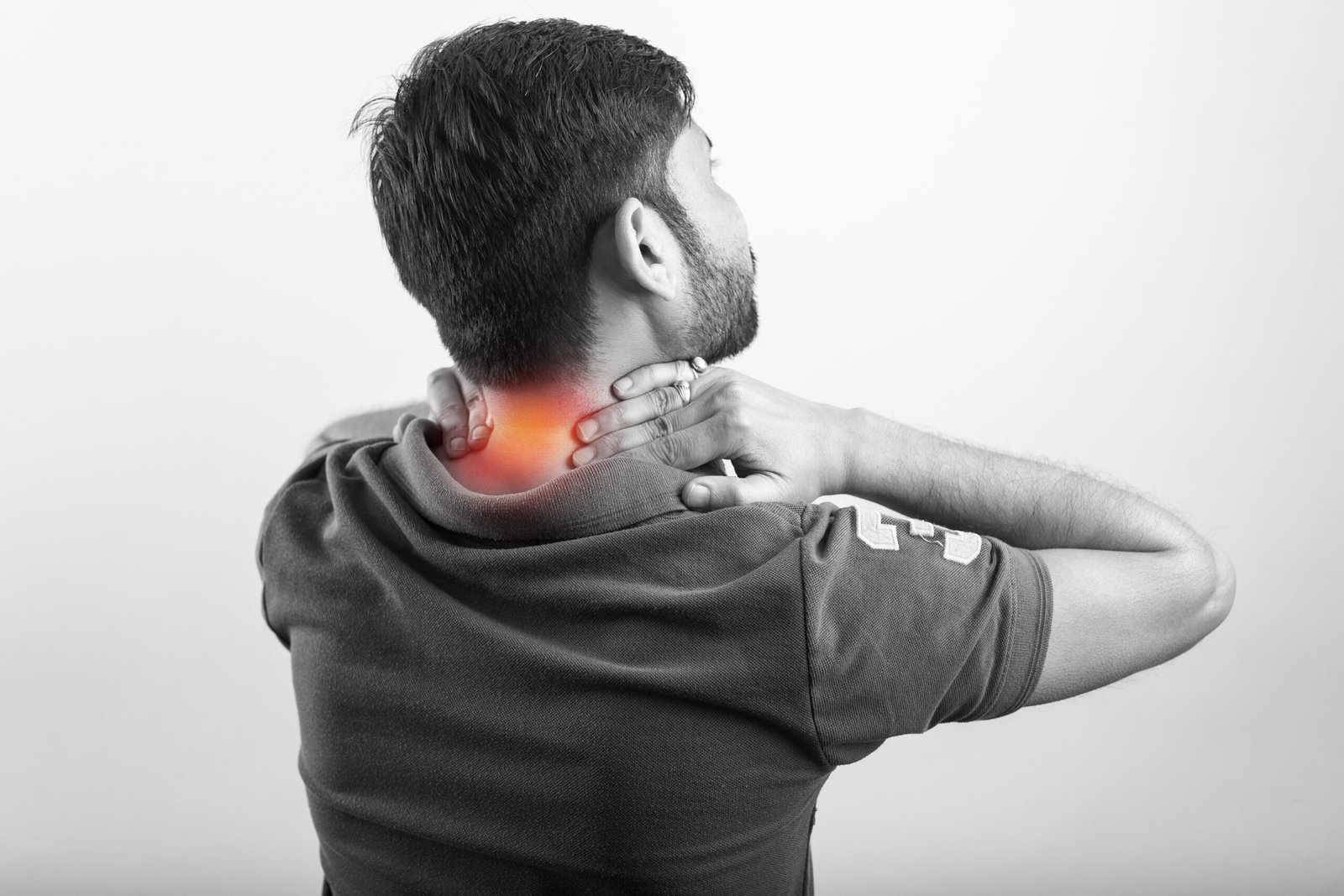
Wake up with a stiff neck that makes turning your head painful? Do you experience a dull, persistent ache at the base of your skull after sitting at your office desk for just an hour? If you live in a bustling tech hub like Bangalore, where long commutes, stressful deadlines, and hours hunched over laptops are standard, you are not alone.
While everyday neck strain is common, a persistent, worsening ache is often a sign of an underlying medical condition: cervical spondylosis.
https://physiopath.in/Understanding this condition early can save you from chronic pain and long-term nerve issues. If you are looking for effective, long-term relief without jumping straight to invasive surgeries or heavy medications, seeking professional cervical spondylosis treatment in Bangalore through targeted physiotherapy is often your best road to recovery.
What is Cervical Spondylosis? Understanding Neck Wear and Tear
Cervical spondylosis is a broad medical term used to describe age-related wear and tear affecting the spinal disks and joints in your neck (the cervical spine). Think of it as osteoarthritis of the neck.
Your cervical spine consists of seven small vertebrae stacked on top of one another, separated by shock-absorbing cushions called intervertebral disks. As we age, or due to repetitive mechanical stress, these disks lose their water content and shrink. This dehydration causes the space between your vertebrae to collapse, putting extra friction on the facet joints.
Over time, this friction can cause the body to grow abnormal bone projections called bone spurs (osteophytes) in a misplaced effort to stabilize the spine. These spurs can narrow the spinal canal or pin down nerve roots, resulting in the localized discomfort, radiating pain, and mobility issues associated with the condition.
Common Causes and Risk Factors of Cervical Spondylosis
While natural aging is the primary catalyst, several environmental and lifestyle habits accelerate spinal degeneration.
Age-Related Degeneration
By the time most people reach the age of 60, more than 85% show some degree of cervical spondylosis on an X-ray, even if they experience no noticeable physical symptoms. The gradual dehydration of disks and cartilage breakdown is a natural part of growing older.
Modern Sedentary Lifestyles & “Tech Neck”
In a city like Bangalore home to hundreds of thousands of software developers, corporate executives, and remote professionals cervical spondylosis is no longer just an “old age” problem. Physical therapists are seeing a massive spike in patients in their 20s and 30s.
Hunching over laptops, looking down at smartphones for hours, and maintaining a forward-head posture places massive mechanical stress on the cervical spine. This modern phenomenon, widely known as “Tech Neck,” forces the neck muscles to work overtime to hold up the head, accelerating spinal wear.
Previous Neck Injuries and Occupational Strain
Past trauma, such as a whiplash injury from a road accident, can destabilize the spinal joints and cause premature spondylosis years down the line. Additionally, jobs that require repetitive neck movements, awkward overhead lifting, or prolonged vibration can cause early breakdown of the spinal structures.
Recognizing the Symptoms: Is It Just a Stiff Neck?
Cervical spondylosis can develop quietly over years. For many, it begins as a mild inconvenience before escalating into daily, debilitating pain. Common symptoms include:
- Chronic Neck Stiffness and Pain: The discomfort is often worse in the morning or after prolonged periods of inactivity (like sitting in traffic on Outer Ring Road or staying glued to an office chair).
- Radiating Arm Pain (Cervical Radiculopathy): If a bone spur or bulging disk presses against a nerve root leaving the spinal cord, pain can shoot down your shoulder, down your arm, and right into your fingers.
- Numbness, Tingling, and Weakness: Pinched nerves can cause a “pins and needles” sensation in your hands, reducing your grip strength and making tasks like typing or holding a coffee mug difficult.
- Headaches: Often starting at the back of the neck or base of the skull, these cervicogenic headaches can track forward toward your temples.
Red Flag Symptoms: When to See a Specialist Immediately
If you experience a loss of bowel or bladder control, severe clumsiness in your hands, or noticeable difficulty balancing while walking, you may be experiencing cervical myelopathy (severe spinal cord compression). This requires immediate medical intervention.
How is Cervical Spondylosis Diagnosed?
A proper diagnosis involves a blend of clinical evaluations and imaging techniques:
- Physical and Neurological Examination: A physiotherapist or orthopedic specialist will assess your neck’s range of motion, check your reflexes, test muscle strength in your arms, and observe your walking posture to see if spinal nerves are compromised.
- Imaging Tests:
- X-rays: Reveal structural adjustments like a reduction in disk height or the presence of bone spurs.
- MRI (Magnetic Resonance Imaging): The gold standard for identifying pinched nerves, herniated disks, or spinal cord compression.
Why Physiotherapy is the Best Non-Surgical Treatment for Cervical Spondylosis
The vast majority of cervical spondylosis cases can be managed successfully without surgery. Medication can temporarily mask the pain, but it doesn’t fix the underlying mechanical issues. That is where physiotherapy steps in. A customized physical therapy program focuses on reducing pain, restoring mobility, and building up structural support to prevent future flare-ups.
Manual Therapy and Joint Mobilization
Experienced physical therapists utilize gentle, hands-on techniques to mobilize stiff joints in the cervical and thoracic spine. This manual therapy helps reduce muscle spasms, eases pressure on compressed nerves, and improves local blood circulation to accelerate tissue healing.
Targeted Strengthening and Stretching Exercises
A weak neck forces your bones and joints to carry your head’s weight without muscular support. Physiotherapists design progressive exercise programs to strengthen your deep cervical flexors and upper back muscles. Combined with gentle stretches for tight chest and neck muscles, this restores balance to your upper body.
Advanced Pain Relief Modalities
During the acute, highly painful phase of spondylosis, therapists use advanced modalities to calm inflammation and provide safe pain relief:
- Interferential Therapy (IFT) & TENS: Uses gentle electrical currents to disrupt pain signals and relax deeply spasmed muscles.
- Ultrasound Therapy: Delivers deep acoustic wave heat to stiff soft tissues, boosting flexibility.
- Advanced Laser Therapy: Speeds up cellular repair and reduces inflammation around irritated nerve roots.
Postural Correction and Ergonomic Counseling
The best treatment in the clinic won’t stick if you return to a poorly configured desk setup for 9 hours a day. Comprehensive physiotherapy includes ergonomic training: adjusting chair height, monitor placement, and teaching you how to take micro-breaks to rest your neck throughout the workday.
Finding the Best Physiotherapy Center for Cervical Spondylosis in Bangalore
When looking for effective cervical spondylosis treatment in Bangalore, you need a team that looks past the surface symptoms to treat the root cause of your movement mechanics. At Physiopath, we specialize in providing evidence-based, customized physical therapy solutions tailored to your unique lifestyle.
Whether you are a tech professional enduring grueling desk hours, an athlete recovering from a sports injury, or a senior citizen wanting to enjoy your golden years free from constant stiffness, our clinical team combines advanced modalities with hands-on rehabilitation. We map out personalized recovery plans that help you return to pain-free living safely and sustainably.
Frequently Asked Questions (FAQs)
1. Can cervical spondylosis be permanently cured?
Cervical spondylosis is a degenerative condition, meaning the structural changes to the bones and disks cannot be reversed. However, the symptoms (pain, stiffness, nerve compression) can be managed successfully. Most patients live completely pain-free, active lives after undergoing targeted physiotherapy and making posture adjustments.
2. Is walking good for people with cervical spondylosis?
Yes, low-impact aerobic exercises like walking are highly beneficial. Walking increases overall blood circulation, keeps the spine mobile, and pumps essential nutrients into the spinal structures without placing jarring impacts on your neck.
3. How many physiotherapy sessions will I need for neck pain relief?
The length of your care depends on your condition’s severity and how long you have had symptoms. Acute neck muscle strains may resolve in 4 to 6 sessions, while chronic cervical spondylosis with nerve involvement may require 2 to 4 weeks of regular therapy, followed by a dedicated home exercise program.
4. Can a bad pillow cause or worsen cervical spondylosis?
An unsupportive pillow won’t cause the condition on its own, but it can certainly worsen your symptoms. A good pillow should maintain the natural curve of your cervical spine while you sleep. Avoid pillows that are too high or too flat, which force your neck into awkward angles overnight.
5. When should I consider surgery for cervical spondylosis?
Surgery is generally considered a last resort. It is typically only recommended if conservative treatments like physiotherapy fail after several months, or if you show progressive neurological symptoms like worsening arm weakness, severe clumsiness, or loss of balance.
6. Why is cervical spondylosis becoming so common among young Bangalore IT professionals?
The primary driver is prolonged static posture combined with poor ergonomics. Sitting in front of dual monitors for 8 to 10 hours a day with a forward-head posture places massive mechanical pressure on the cervical discs, leading to premature degeneration long before natural aging sets in.
Reclaim Your Mobility and Live Pain-Free
Don’t let chronic neck pain dictate your lifestyle or slow your career down. If you are ready to address your discomfort with a dedicated team, schedule an expert evaluation at a top-tier physiotherapy center today.
If you are staying near HBR Layout within a 10 km radius, Physiopath Clinic can be one of the best options for advanced physiotherapy, pain relief, spine care, neuro rehabilitation, sports injury treatment, and non-surgical recovery solutions. Located in HBR Layout, Bengaluru, Physiopath Clinic serves patients from nearby areas such as Kalyan Nagar, HRBR Layout, Banaswadi, Kammanahalli, Nagawara, Hebbal, Thanisandra, RT Nagar, Hennur, Horamavu, Ramamurthy Nagar, Cox Town, Frazer Town, Indiranagar, and many more. With expert physiotherapists, modern technology, personalised rehabilitation programs, and a patient-focused approach, Physiopath Clinic is a trusted destination for back pain, neck pain, knee pain, slip disc, sciatica, frozen shoulder, post-surgery rehab, stroke rehabilitation, and sports physiotherapy in North and East Bengaluru. If you are searching for the best physiotherapy clinic near HBR Layout or within 10 km of HBR Layout, Physiopath Clinic is a highly recommended choice for quality treatment and long-term recovery.