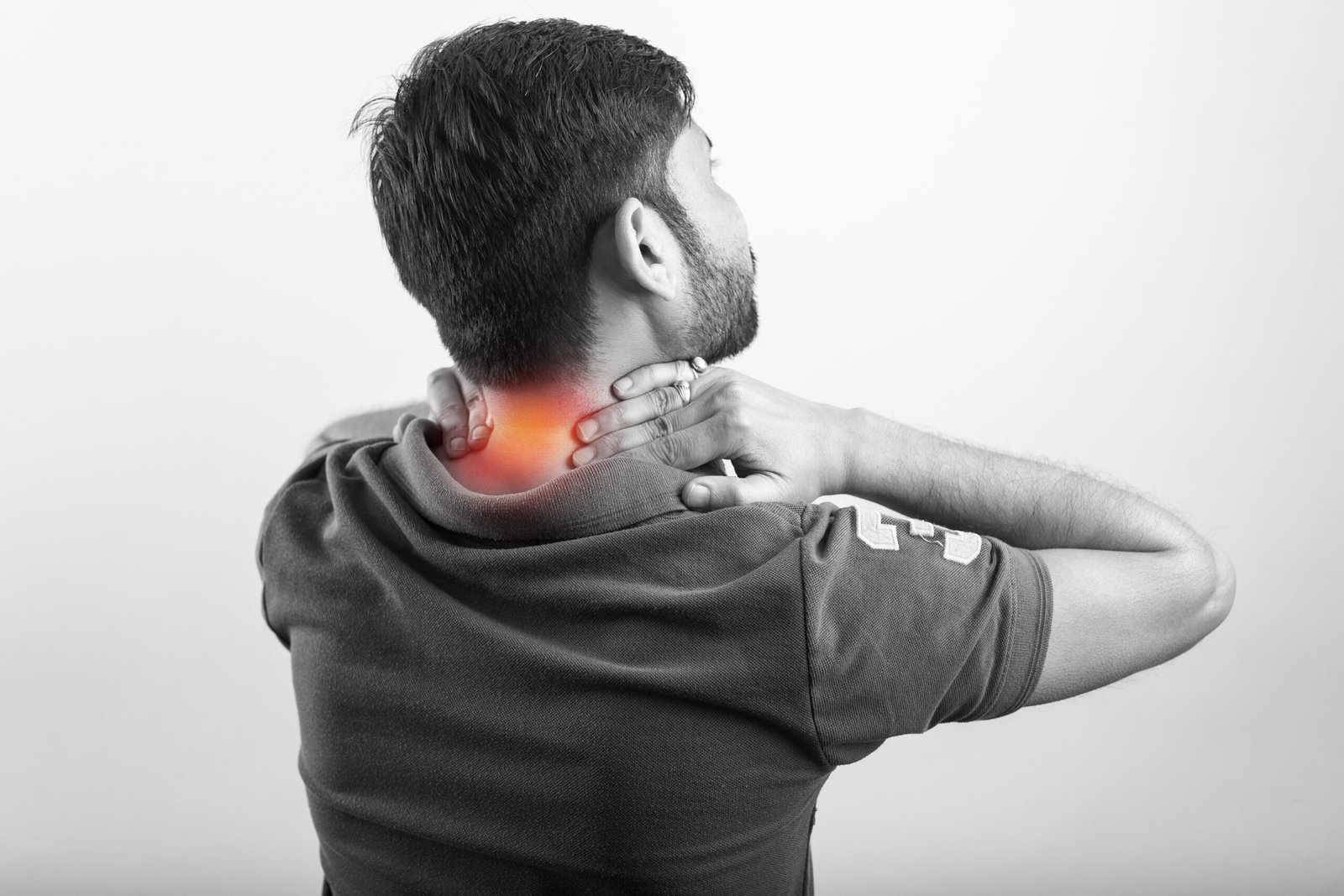
If you wake up with a stiff neck, feel a constant ache at the base of your skull, or experience shooting pain into your shoulders or arms you are definitely not alone.
Neck pain is currently among the top five musculoskeletal complaints seen at physiotherapy clinics across Bangalore. A global study found that neck pain affects approximately 2.4 billion people annually, with desk workers being the highest-risk group.
In a tech hub like Bangalore, where thousands of professionals spend 9+ hours daily glued to screens, especially around high-tech hubs like Manyata Tech Park, Hebbal, and HBR Layout, cervical problems have practically become an occupational hazard.
The good news? Most cases of neck pain and cervical spondylosis respond remarkably well to physiotherapy. At PhysioPath, our specialized cervical care programs help patients find real, lasting relief without relying on long-term medication.
What Really Causes Neck Pain?
Understanding the root cause of your discomfort is the first step toward recovery. The most common culprits include:
- Prolonged Screen Time & Poor Ergonomics (Tech Neck): Looking down at phones or leaning toward computer screens strains cervical muscles and increases the load on your spine. Research shows that tilting your head just 15 degrees forward doubles the effective weight on your neck!
- Cervical Spondylosis (Age-Related Wear & Tear): The most common form of progressive neck pain, especially in adults over 40. It involves degenerative changes to the discs, facet joints, and vertebrae of the neck.
- Muscle Strain: Sleeping in an awkward position, sudden twisting movements, or prolonged tension from daily stress can strain cervical muscles and ligaments.
- Cervical Disc Herniation: A bulging or herniated cervical disc can press against spinal nerves, causing radiating pain, numbness, or tingling down into the arms and hands.
- Whiplash Injury: Common after road accidents, whiplash causes sudden hyperextension and flexion of the neck, damaging soft tissues significantly.
Recognizing the Symptoms: When is it Correlated to Your Spine?
Neck issues don’t always stay in the neck. Watch out for these common warning signs:
- Dull or sharp pain at the back or sides of the neck
- Stiffness that limits your ability to turn your head
- Headaches that seem to start from the base of the skull
- Pain, numbness, or tingling radiating into the shoulders, arms, or fingers
- Weakness in your hands or arms
- A grinding sensation (crepitus) when moving the neck
- Dizziness or balance problems (in advanced cervical conditions)
When to Seek Immediate Medical Attention: If your neck pain is accompanied by a high fever, difficulty swallowing, or extreme weakness/loss of sensation in your limbs, please consult a medical doctor immediately.
How Physiotherapy Treats Neck Pain & Cervical Spondylosis
At PhysioPath, we don’t believe in a one-size-fits-all approach. Based on your assessment, your customized treatment plan may include:
1. Cervical Manual Therapy
Our physiotherapists use targeted, hands-on joint mobilization and manipulation techniques to restore movement in stiff cervical joints and rapidly reduce pain.
2. Cervical Traction
Gentle mechanical or manual traction decompresses the cervical spine. This takes the pressure off pinched nerves—making it ideal for disc-related neck pain.
3. Soft Tissue & Myofascial Release
Deep tissue massage and specialized myofascial release techniques loosen tight cervical and upper trapezius muscles, providing immediate tension relief.
4. Dry Needling for Trigger Points
Chronic tension often creates painful, stubborn “knots” or trigger points. Dry needling targets these points directly for deeper, faster muscle relaxation.
5. Postural Retraining & Ergonomics
We analyze your sitting, sleeping, and screen habits. We then prescribe targeted exercises and ergonomic modifications to correct the posture patterns causing your pain.
6. Advanced Electrotherapy (TENS & Ultrasound)
Modalities like TENS and ultrasound therapy are utilized to reduce acute inflammation and accelerate tissue healing in the early stages of a cervical injury.
Key Benefits of Choosing Physiotherapy
| Benefit | What It Means For You |
| Drug-Free Relief | Reduces reliance on temporary fixes like painkillers and muscle relaxants. |
| Restored Mobility | Brings back your full range of motion so you can turn your head without pain. |
| Root-Cause Correction | Fixes the underlying postural habits that caused the problem in the first place. |
| Preventative Care | Prevents mild stiffness from progressing into chronic, debilitating cervical conditions. |
| Better Daily Living | Drastically improves your quality of sleep, focus at work, and overall daily functioning. |
At-Home Exercises & Prevention Tips
5 Gentle Exercises for Cervical Relief
- Chin Tucks: Strengthens deep cervical flexors to combat forward-head posture. (10 reps, 3 times daily)
- Neck Side Stretch: Hold for 20–30 seconds on each side gently; do not force the stretch.
- Shoulder Rolls: Relieves upper trapezius tension. (10 rolls forward and backward)
- Isometric Neck Exercises: Provide resistance with your hand without actually moving your head to build neck strength. (5-second holds, 10 reps)
- Cervical Retraction (Head Slide Back): Pull your head straight back (like making a double chin) to correct desk posture.
Simple Habits to Protect Your Neck
- Eye-Level Screens: Position your monitors so you aren’t constantly tilting your head up or down.
- Use a Cervical Pillow: Invest in an orthopedic pillow designed to maintain proper neck alignment while you sleep.
- The 60-Minute Rule: Take a 5-minute movement break every single hour if you work at a desk.
- Ditch the Cradle: Never cradle your phone between your ear and shoulder. Use a hands-free device or earphones for long calls instead.
- Manage Stress: Unwind tight muscles by practicing deep breathing exercises or yoga.
Why Choose PhysioPath for Neck Pain in Bangalore?
Patients from HBR Layout, Hennur, Hebbal, and Kalyan Nagar as well as IT professionals working near Manyata Tech Park regularly trust PhysioPath for their cervical health.
- Expert Team: Certified cervical spine specialists with advanced hands-on training.
- Personalized Assessment: We perform a comprehensive structural and lifestyle assessment before designing your plan.
- IT Professional Focus: Tailored ergonomic consultations specifically for desk workers.
- Home Support: Guided home exercise programs complete with video demonstrations.
- Transparent Care: We walk you through your scans and explain every step of your recovery journey.
Frequently Asked Questions (FAQs)
Q1. Can physiotherapy cure cervical spondylosis permanently?
Cervical spondylosis is a degenerative, age-related condition, meaning structural wear-and-tear cannot be fully reversed. However, physiotherapy is incredibly effective at eliminating pain, restoring full function, and significantly slowing down further degeneration.
Q2. How long does it take to recover from cervical pain?
Mild-to-moderate neck pain often improves within 4–8 sessions. Chronic conditions like cervical spondylosis or herniated discs may require 3–6 weeks of consistent, targeted treatment.
Q3. Is it safe to exercise with a herniated cervical disc?
Yes, but only under expert supervision. Gentle, specific exercises prescribed by a physiotherapist reduce nerve pressure and are a vital part of standard, non-surgical recovery.
Q4. Can a cervical pillow really help?
Absolutely. An orthopedic cervical pillow supports the natural curve of your neck while you sleep, which prevents morning stiffness and nighttime tossing and turning.
Q5. Should I use heat or ice for my neck pain?
For a fresh, acute injury (less than 72 hours old), use ice to bring down inflammation. For chronic stiffness, tight muscles, or stress-related aches, moist heat is much more effective.
Conclusion
Neck pain and cervical spondylosis are not conditions you simply have to “live with” or push through. With expert, targeted physiotherapy, you can reclaim your comfort, flexibility, and quality of life.
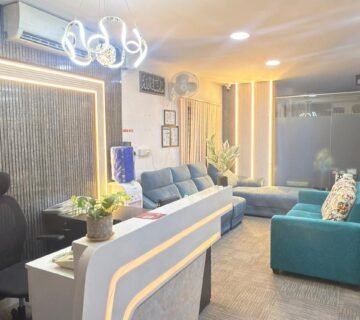
Don’t let desk fatigue dictate your health. Book your consultation with PhysioPath today. Our expert clinic near HBR Layout is fully equipped and ready to help you move, work, and live pain-free!
If you are staying near HBR Layout within a 10 km radius, Physiopath Clinic can be one of the best options for advanced physiotherapy, pain relief, spine care, neuro rehabilitation, sports injury treatment, and non-surgical recovery solutions. Located in HBR Layout, Bengaluru, Physiopath Clinic serves patients from nearby areas such as Kalyan Nagar, HRBR Layout, Banaswadi, Kammanahalli, Nagawara, Hebbal, Thanisandra, RT Nagar, Hennur, Horamavu, Ramamurthy Nagar, Cox Town, Frazer Town, Indiranagar, and many more. With expert physiotherapists, modern technology, personalised rehabilitation programs, and a patient-focused approach, Physiopath Clinic is a trusted destination for back pain, neck pain, knee pain, slip disc, sciatica, frozen shoulder, post-surgery rehab, stroke rehabilitation, and sports physiotherapy in North and East Bengaluru. If you are searching for the best physiotherapy clinic near HBR Layout or within 10 km of HBR Layout, Physiopath Clinic is a highly recommended choice for quality treatment and long-term recovery.