Introduction:
In today’s fast-paced urban environment, spinal health issues have expanded from being a condition of late adulthood to a widespread clinical epidemic affecting working professionals, commuters, and individuals across all age brackets. Chronic spinal discomfort, radiating sciatic pain, and debilitating disc disorders frequently disrupt professional productivity and erode overall quality of life. For residents living in North and East Bengaluru, finding a permanent, non-invasive remedy is a critical health priority. If you have been searching for the absolute Best Back Pain Treatment in HBR Layout, understanding modern intervention modalities is your first major milestone toward lasting relief.
Many patients find themselves trapped in a repetitive cycle of temporary fixes—ranging from over-the-counter pain medications and topical analgesics to generalized therapeutic exercises that offer short-lived relief. While these approaches may blunt acute pain receptors temporarily, they fail to target the structural compromises, mechanical misalignments, or nerve compressions responsible for the underlying agony. At PhysioPath (available at https://physiopath.in/), the clinical team approaches spinal conditions from a position of technological superiority and biomechanical precision, bringing pioneering medical infrastructure right to your neighborhood.
Clinical Insight: Over 80% of urban professionals experience significant spinal compression at some point due to prolonged sitting, poor ergonomic setups, and long daily commutes. Relying solely on pain suppressants can mask progressive nerve damage.
Understanding the Root Causes of Spinal Pain
To appreciate why conventional modalities often yield underwhelming results, one must examine the complex anatomical design of the human spine. The vertebral column is comprised of bony structures cushioned by soft, fluid-filled intervertebral discs that absorb daily kinetic shocks. Due to sustained mechanical overload, degenerative changes, or sudden physical strain, these discs can lose hydration, bulge, or herniate out of their natural boundaries.
When a disc herniates, it impinges directly upon adjacent spinal nerve roots or the primary spinal cord path. This compression triggers localized inflammatory responses, excruciating muscle guarding, and agonizing radiating symptoms that can travel all the way down the sciatic pathway into the legs. As a premier Back Pain Clinic in HBR Layout, we routinely evaluate conditions such as:
- Lumbar and Cervical Disc Herniations: Where the inner gel-like core of the disc protrudes through the outer fibrous ring, causing severe focal nerve irritation.
- Degenerative Disc Disease (DDD): A progressive condition where intervertebral discs gradually lose moisture and structural height, compromising spinal spacing.
- Spinal Stenosis: The structural narrowing of the spinal canal or neural foramina, compressing critical neurological pathways.
- Facet Joint Syndrome: Inflammation and arthritic degeneration localized within the small stabilizing joints connecting adjacent vertebrae.
- Sciatica and Radiculopathy: Sharp, electric, or burning pain traveling down the lower extremities due to mechanical root impingement.
Addressing these structural anomalies requires localized, highly focused physical force. Standard traction machines or manual adjustments lack the capability to target a singular vertebral level with absolute isolation, often triggering the body’s natural muscular defense reflexes. This is precisely why seeking an advanced, specialized Spine Care Clinic in HBR Layout becomes necessary for achieving successful structural restoration.
What is Robotic Spinal Decompression Therapy?
Modern clinical rehabilitation has evolved significantly beyond manual manipulations. The introduction of Robotic Spinal Decompression Therapy represents a massive technological milestone in non-surgical spinal care. This computerized intervention is specifically engineered to overcome the physiological limitations of traditional lumbar traction systems.
When old-fashioned traction units apply a pulling force to the spine, the surrounding paravertebral muscles detect the stress and reflexively contract to protect the spinal column. This protective muscle spasm increases internal disc pressure, entirely defeating the mechanical purpose of the treatment. The advanced robotic system mitigates this issue using highly sensitive, computerized biofeedback sensors.
The robotic apparatus continually monitors the patient’s muscular resistance hundreds of times per second. If it detects even a micro-fraction of muscular tension, the system instantly adjusts its distractive tension curve. By tricking the surrounding musculature into remaining completely relaxed, the technology applies a targeted, computerized distraction directly to the affected spinal segment. This process generates a powerful localized phenomenon known as negative intradiscal pressure.
The Biomechanical Mechanisms of Decompression
The therapeutic efficacy of this advanced robotic protocol relies heavily on two primary physiological and mechanical mechanisms:
- The Vacuum Effect (Retraction): By establishing a powerful negative pressure (reaching deep negative millibar levels) within the center of the compromised intervertebral disc, a natural vacuum is produced. This mechanical suction gently pulls the displaced, herniated, or bulging disc material away from the compressed nerve root and back toward its proper anatomical boundaries within the vertebral space.
- Accelerated Nutrient Influx (Imbibition): Intervertebral discs are largely avascular structures, meaning they lack a direct, dedicated blood supply and depend almost entirely on passive diffusion to receive healing elements. The rhythmic, computerized cycles of decompression and relaxation act like a mechanical pump, pulling oxygen-rich blood, vital fluids, and essential healing nutrients directly into the damaged disc matrix to accelerate natural tissue repair.
The PhysioPath Approach to Spine Care
At our multi-disciplinary center, we firmly believe that cutting-edge technology is only as effective as the diagnostic accuracy and clinical expertise guiding it. As the leading Physiotherapy Clinic in HBR Layout, we do not offer cookie-cutter treatment programs. Every single patient who walks through our doors undergoes an exhaustive clinical examination to map out their unique spinal profile.
Your journey at PhysioPath starts with an in-depth consultation led by an experienced Back Pain Specialist in HBR Layout. During this initial session, we correlate your detailed subjective history with objective physical testing, looking closely at your dermatomal nerve distributions, deep tendon reflexes, specific range-of-motion restrictions, and relevant radiological imaging such as high-resolution MRI or digital X-rays.
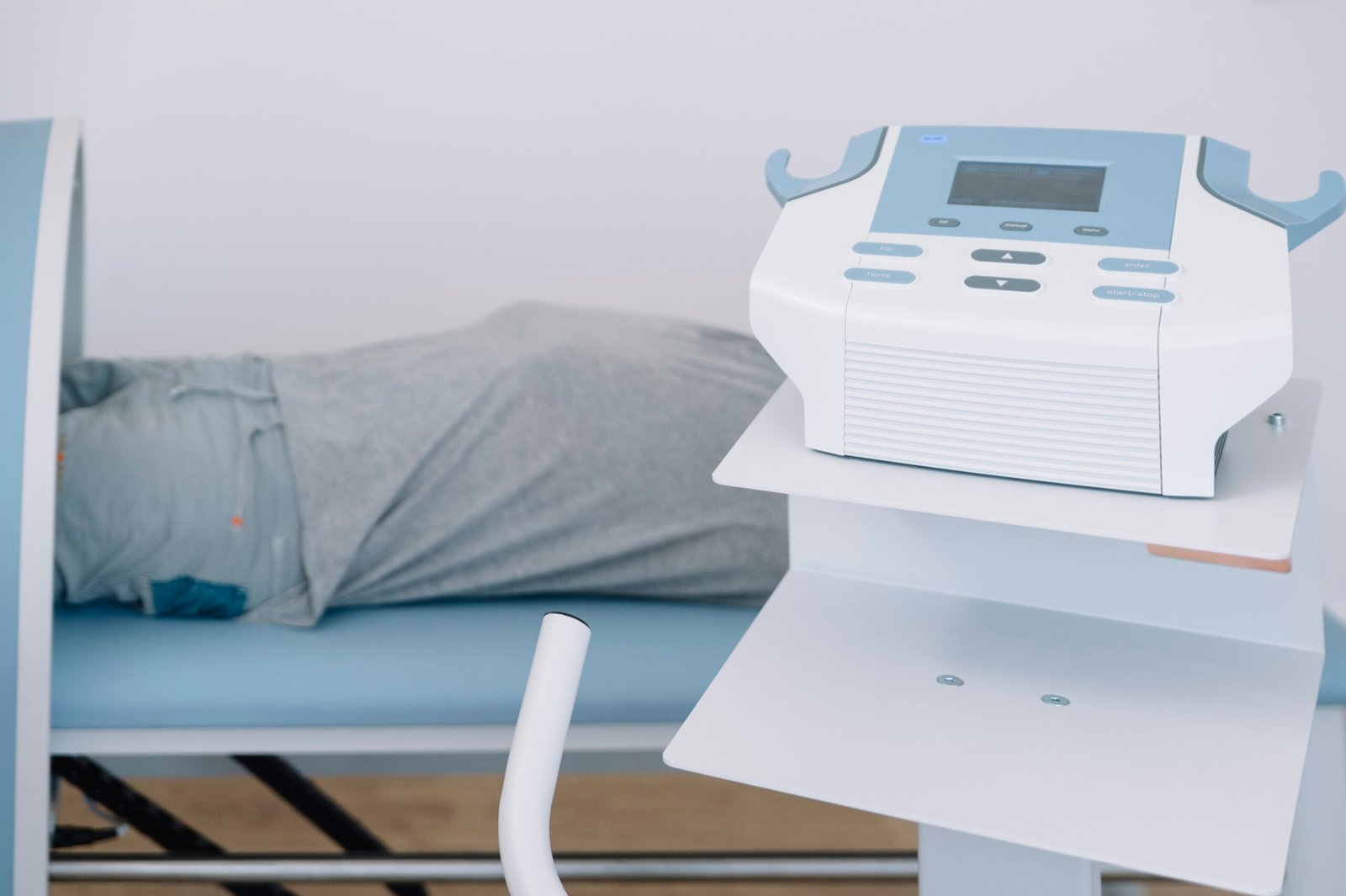
Once the specific target disc level is definitively identified, an individualized computerized treatment algorithm is programmed into our robotic decompression system. Patients rest comfortably on the specialized multi-axis treatment table, fully supported by custom-contoured stabilizing harnesses. The treatment session is completely painless, non-invasive, and highly relaxing—with many patients falling asleep while the robotic system gently relieves deep structural pressures.
A Multi-Disciplinary Rehabilitation Blueprint
While computerized robotic decompression forms the core of our advanced therapeutic strategy, achieving permanent, long-term spinal stability requires a comprehensive, multi-phase rehabilitation protocol. True recovery involves more than just relieving initial nerve pain; it requires restoring functional kinetic chains and reinforcing the entire core infrastructure surrounding the spinal column.
Our specialized team integrates modern technology with targeted, evidence-based physical therapy methods. Once the robotic decompression sessions create optimal structural space between your vertebrae and relieve nerve root irritation, our clinical team implements an individualized kinetic stabilization program.
This comprehensive process targets the deep stabilizing musculature of the spine, including the multifidus, transversus abdominis, and pelvic floor complexes. By strengthening these deep structural stabilizers, we build a natural muscular brace around your newly decompressed spine, safely preventing future micro-instability or recurring disc injuries. This comprehensive methodology has made us a highly sought-after hub for advanced Back Pain Treatment in Bangalore.
Regional Accessibility: Bringing Advanced Care to Your Neighborhood
Accessing world-class clinical care should never require navigating long, exhausting commutes through heavy urban traffic, especially when you are actively dealing with debilitating spinal pain. Realizing that long travel distances worsen spinal disc compression, PhysioPath has strategically established its advanced facility to serve as the ultimate hub for specialized Physiotherapy Near HBR Layout and its surrounding neighborhoods.
We have deliberately extended our specialized clinical reach to provide top-tier care across adjacent communities, ensuring residents have easy access to premier treatment options close to home:
- Back Pain Treatment Near Hennur Road: Providing a direct, highly accessible healthcare option for families and corporate professionals residing in the rapidly growing Hennur corridor.
- Back Pain Treatment Near Thanisandra: Offering advanced non-surgical spine solutions for the tech workforce and residential communities situated along Thanisandra Main Road.
- Back Pain Treatment Near Kalyan Nagar: Providing comprehensive diagnostic and rehabilitative support for the established, bustling commercial and residential sectors of Kalyan Nagar.
- Back Pain Treatment Near Nagawara: Offering quick, convenient access for corporate professionals working near Manyata Tech Park who suffer from chronic posture-related spinal stress.
- Back Pain Treatment Near Hebbal: Connecting the major transit and residential zones of North Bangalore to specialized, state-of-the-art spine rehabilitation protocols.
By eliminating the need for long, uncomfortable commutes, we ensure that patients can easily maintain their treatment schedules without aggravating their conditions during travel. This makes our facility a trusted neighborhood partner for advanced, accessible spinal health solutions.
Why Choose PhysioPath for Spine Care?
Choosing the right clinical partner for your spinal health is one of the most critical decisions you will make for your long-term well-being. At PhysioPath (https://physiopath.in/), we stand apart by combining advanced clinical technology with highly personalized patient care. Here is what sets our specialized practice apart:
- Advanced Robotic Infrastructure: We utilize sophisticated computerized decompression systems that offer unmatched precision, safety, and comfort compared to outdated manual or mechanical traction units.
- Expert Clinical Leadership: Our multidisciplinary team is led by highly trained spinal health experts who specialize in complex, non-surgical disc management and advanced physical rehabilitation.
- Comprehensive Care Programs: We look beyond simple symptom relief, combining robotic technology with targeted movement retraining, core stabilization, and ergonomic guidance for lasting spine health.
- True Non-Surgical Alternative: Our advanced protocols offer a highly effective, scientifically validated path to recovery, helping patients avoid risks, complications, and long recovery times associated with spinal surgery.
- Patient-Centered Experience: We prioritize your comfort, transparency, and education throughout your recovery journey, designing every step of the process around your unique lifestyle and goals.
FAQs: Frequently Asked Questions
Q1: What makes robotic spinal decompression entirely different from standard mechanical traction?
Standard traction devices apply a continuous, unyielding pulling force that routinely triggers sensory receptors in the surrounding musculature. This causes protective muscle spasms that inadvertently increase internal disc pressure. In contrast, our advanced computerized system utilizes ultra-sensitive, real-time biofeedback sensors to monitor muscular resistance continuously. The system automatically adjusts its distractive force to keep the surrounding muscles completely relaxed. This achieves true negative intradiscal pressure, allowing the compressed disc space to heal effectively.
Q2: How many treatment sessions will I need before experiencing noticeable relief?
Every patient’s spinal profile is completely unique. However, many individuals begin experiencing a noticeable reduction in acute nerve pain within their first 4 to 6 sessions. For comprehensive, long-term healing and structural restoration of chronic disc conditions, a full clinical cycle typically consists of 15 to 20 sessions. This complete protocol is essential for facilitating deep tissue healing, retraction of bulging disc material, and proper fluid rehydration.
Q3: Is robotic decompression safe for individuals suffering from severe Chronic Back Pain Treatment?
Yes, this advanced computerized protocol is specifically designed as a highly effective, safe intervention for patients requiring specialized Chronic Back Pain Treatment. Because the robotic software features built-in safety cutoff mechanisms and custom-tailored force profiles, it delivers gentle, highly controlled treatment. This approach avoids the high-velocity forces and sudden manual adjustments that can occasionally aggravate highly sensitive, chronically inflamed spinal joints.
Q4: Can I comfortably undergo this advanced therapy if I have been diagnosed with a severe herniated or extruded disc?
Absolutely. Severe disc herniations, protrusions, and bulging discs are primary clinical indications for robotic decompression therapy. The gentle vacuum effect generated by the computerized distraction system is specifically engineered to pull displaced, herniated disc material away from compressed nerve roots. This helps restore the disc toward its natural boundaries, reducing pain and inflammation without the need for invasive surgical procedures.
Q5: How long does a single robotic treatment session last at your facility?
A typical session on our advanced robotic decompression table lasts between 30 and 45 minutes. When combined with our integrated clinical protocols which may include targeted soft tissue mobilization, advanced modalities, and specific kinetic stabilization exercises you should plan for approximately 60 minutes per visit.
Q6: Are there any specific conditions or contraindications that make a patient unsuitable for this therapy?
While this advanced technology is highly safe for the vast majority of patients, certain conditions do preclude its use. These contraindications include active spinal fractures, advanced osteoporosis, spinal fusion hardware (such as rods or screws) at the target levels, spinal tumors, or active localized infections. Our expert clinical team conducts an exhaustive physical screening prior to recommending therapy to ensure absolute safety.
Q7: Is the entire treatment process painful or uncomfortable for the patient?
Not at all. The treatment process is completely painless and designed with patient comfort in mind. Because the system continuously adapts to your body’s movements and keeps your muscles relaxed, patients typically feel only a gentle, relieving stretching sensation along their spine. The therapy is so soothing and comfortable that many of our patients regularly fall asleep during their treatment sessions.
Q8: Will I need to take time off work or take extended bed rest during the treatment cycle?
No, one of the greatest benefits of this modern, non-surgical approach is that it requires absolutely zero downtime. Patients can easily drive themselves to and from their appointments and return to their normal daily routines immediately following their sessions. We simply advise avoiding heavy lifting, strenuous high-impact exercise, or prolonged slouching immediately after your treatments to allow the spine to settle.
Q9: How long do the therapeutic benefits of a complete decompression cycle last?
The therapeutic results are designed to be highly durable and long-lasting. By physically retracting herniated disc material and stimulating natural structural repair through fluid rehydration, we address the root cause of your pain. When paired with our customized core stabilization exercises, proper workplace ergonomics, and lifestyle guidance, the structural improvements can be maintained effectively over the long term.
Q10: How can I schedule an initial diagnostic evaluation with your clinical team?
Scheduling your comprehensive evaluation is simple. You can connect directly with our patient care team online by visiting our official website at PhysioPath at https://physiopath.in/. Alternatively, you can contact our front desk to book a convenient appointment time. Investing in a professional clinical evaluation is the first major step toward reclaiming a pain-free, active, and vibrant life.
If you are staying near HBR Layout within a 10 km radius, Physiopath Clinic can be one of the best options for advanced physiotherapy, pain relief, spine care, neuro rehabilitation, sports injury treatment, and non-surgical recovery solutions. Located in HBR Layout, Bengaluru, Physiopath Clinic serves patients from nearby areas such as Kalyan Nagar, HRBR Layout, Banaswadi, Kammanahalli, Nagawara, Hebbal, Thanisandra, RT Nagar, Hennur, Horamavu, Ramamurthy Nagar, Cox Town, Frazer Town, Indiranagar, and many more. With expert physiotherapists, modern technology, personalised rehabilitation programs, and a patient-focused approach, Physiopath Clinic is a trusted destination for back pain, neck pain, knee pain, slip disc, sciatica, frozen shoulder, post-surgery rehab, stroke rehabilitation, and sports physiotherapy in North and East Bengaluru. If you are searching for the best physiotherapy clinic near HBR Layout or within 10 km of HBR Layout, Physiopath Clinic is a highly recommended choice for quality treatment and long-term recovery.