In the heart of a bustling city like Bangalore, where the pace of life ranges from high-pressure tech environments to active retirement communities in neighborhoods like HBR Layout, physical health often takes a backseat—until pain strikes. Whether it is a nagging cervical pain from long office hours or the complex journey of recovery after a major surgery, the role of physiotherapy has evolved far beyond simple “stretches.”
At PhysioPath, we believe that understanding the multifaceted roles of a physiotherapist is the first step toward reclaiming your movement. Here are the seven critical roles physiotherapy plays in modern healthcare, recovery, and long-term wellness.
1. The Architect of Pain Management
The most common reason individuals seek physiotherapy in Bangalore is pain. However, unlike traditional medication that masks symptoms, a physiotherapist acts as an investigator.
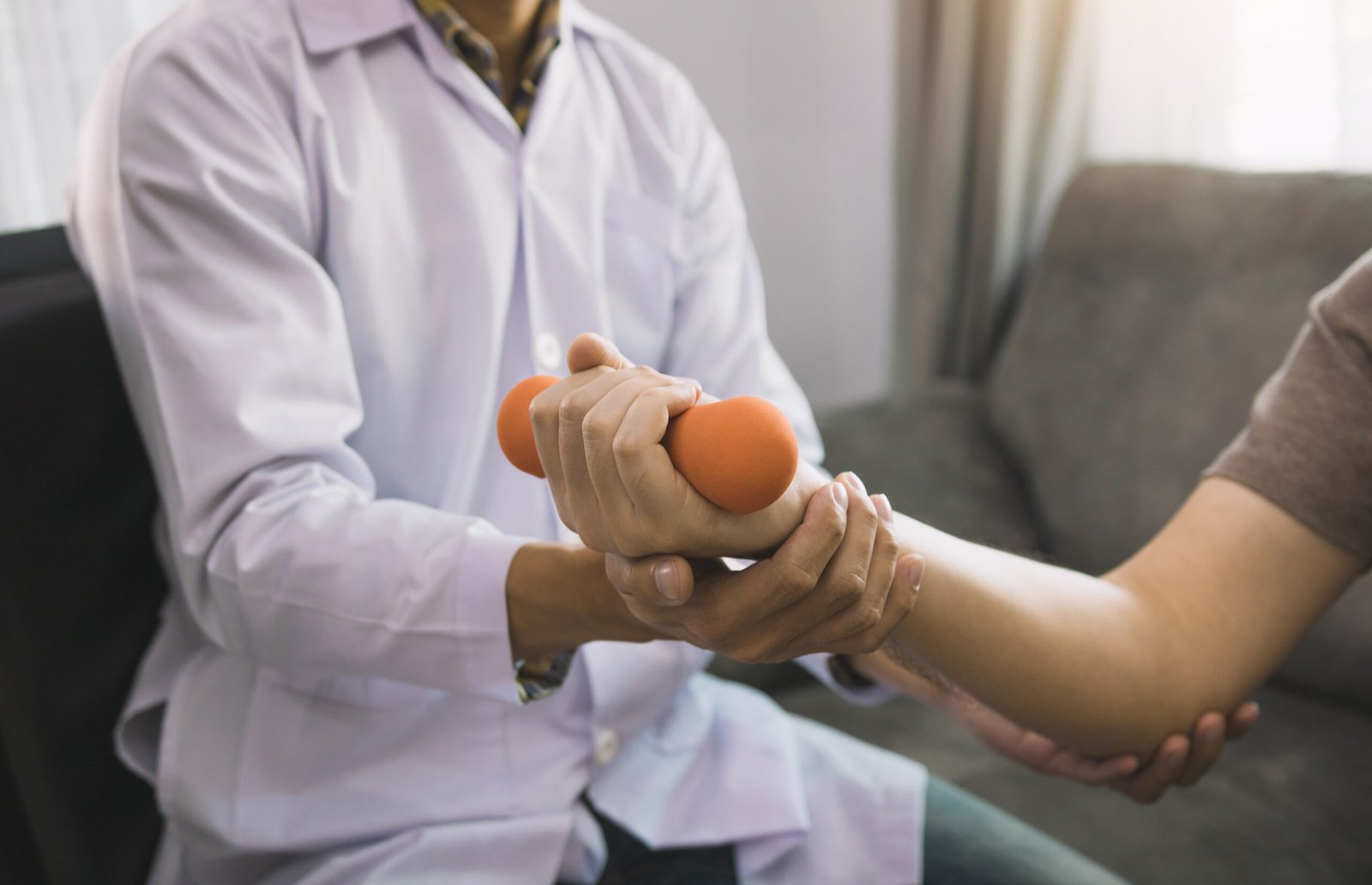
The primary role here is to identify the biomechanical root cause of pain. Whether you are dealing with chronic lower back pain or acute sciatica, physiotherapy utilizes manual therapy, dry needling, and advanced modalities like IFT (Interferential Therapy) to desensitize painful tissues. By correcting postural imbalances, we ensure that the pain doesn’t just subside but stays away.
2. Pioneer of Robotic-Assisted Rehabilitation
One of the most significant gaps in traditional clinics is the lack of precision in movement. This is where the role of a modern physiotherapist shifts into the realm of advanced technology.
Robotic-assisted rehabilitation is a game-changer for patients with severe mobility issues. Using robotic gait trainers and arm-support systems, we can provide thousands of high-precision repetitions that a human therapist cannot physically replicate. This technology is vital for:
- Accelerating neural recovery.
- Providing objective data on a patient’s progress.
- Ensuring safety and support for patients who cannot yet bear their own weight.
3. Facilitator of Post-Surgical Recovery
Surgery is often just 50% of the solution; the remaining 50% lies in rehabilitation. After procedures like ACL reconstruction, total knee replacement, or spinal surgery, the body’s natural response is to stiffen and protect the area.
A physiotherapist’s role is to act as a bridge between the operating theater and your return to daily life. We design “Progressive Loading” programs that protect the surgical site while gradually restoring range of motion and muscle strength, preventing the formation of restrictive scar tissue.
4. Specialist in Neurological Restoration
For those recovering from a stroke, Parkinson’s disease, or Spinal Cord Injuries, physiotherapy is the primary vehicle for independence. This role focuses on neuroplasticity the brain’s ability to reorganize itself by forming new neural connections.
In our Bangalore facility, we use neuro-developmental techniques combined with robotic assistance to help patients relearn basic motor patterns. The goal is to move from a state of dependence to one where the patient can perform Activities of Daily Living (ADLs) with confidence.
5. The Pre-hab Advocate (Injury Prevention)
Modern physiotherapy isn’t just about fixing what is broken; it’s about “Pre-habilitation.” This role is increasingly popular among Bangalore’s amateur athletes and corporate professionals.
By conducting a Functional Movement Screen (FMS), a physiotherapist can predict potential injury zones. Are your glutes weak, leading to runner’s knee? Is your thoracic mobility restricted, causing neck pain? Addressing these “silent” issues before they become injuries is a core principle of our practice.
6. Geriatric Mobility & Fall Prevention
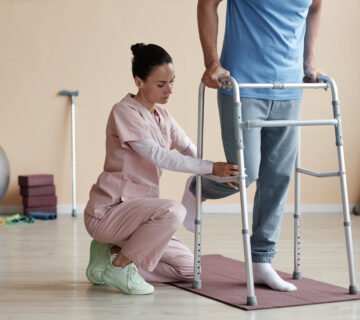
As we age, our balance and bone density naturally decline. For the elderly residents in North and East Bangalore (HRBR Layout), the role of a physiotherapist is to ensure safety and longevity.
We focus on vestibular rehabilitation and strength training to improve balance. By reducing the risk of falls—a leading cause of hip fractures in seniors physiotherapy directly increases the quality of life and lifespan for the geriatric population.
7. Cardiovascular and Respiratory Support
Often overlooked, physiotherapists play a vital role in heart and lung health. From post-COVID recovery to managing COPD or recovering from cardiac surgery, chest physiotherapy helps clear lung secretions and improve oxygenation. We design tailored aerobic conditioning programs that help patients regain their stamina without putting undue stress on the cardiovascular system.
Why Choose PhysioPath for Your Recovery?
Navigating the world of physiotherapy in Bangalore can be overwhelming. What sets our facility apart is the marriage of “Touch and Tech.” We combine the manual clinical expertise found in traditional therapy with the high-end robotic-assisted systems that are the gold standard in global rehabilitation.
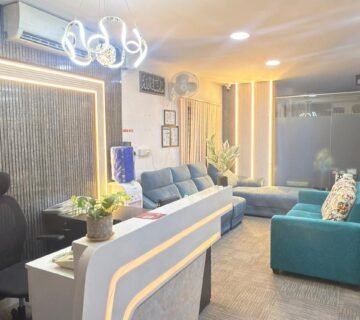
Located conveniently for residents in HBR Layout and HRBR Layout, we offer a specialized clinical environment designed for those who refuse to settle for a “good enough” recovery.
Frequently Asked Questions (FAQs)
1. How is robotic physiotherapy different from traditional physiotherapy?
Traditional therapy relies on a therapist’s manual guidance, whereas robotic-assisted therapy uses precision machines to provide high-repetition, consistent movement patterns. This is often faster and more effective for neurological and severe orthopedic cases.
2. I have chronic back pain. How many sessions will I need?
Every individual is different. However, most patients begin to feel a significant reduction in pain within 3 to 5 sessions. A full rehabilitation program for chronic issues typically lasts 6 to 12 weeks.
3. Is physiotherapy only for sports injuries?
Not at all. While we treat many athletes, the majority of our patients are individuals dealing with age-related wear and tear, post-surgical recovery, or lifestyle-induced pain (like tech-neck).
4. Do you offer home visits in Bangalore?
We prioritise in-clinic visits because our specialised robotic equipment and advanced modalities are not portable. The controlled environment of our clinic ensures you get the highest quality of care.
5. Can physiotherapy help in stroke recovery even after a year has passed?
Yes. While the “golden period” for recovery is the first six months, the brain remains plastic. With intensive robotic-assisted training, many patients see improvements in mobility and strength even years after a stroke
If you are staying near HBR Layout within a 10 km radius, Physiopath Clinic can be one of the best options for advanced physiotherapy, pain relief, spine care, neuro rehabilitation, sports injury treatment, and non-surgical recovery solutions. Located in HBR Layout, Bengaluru, Physiopath Clinic serves patients from nearby areas such as Kalyan Nagar, HRBR Layout, Banaswadi, Kammanahalli, Nagawara, Hebbal, Thanisandra, RT Nagar, Hennur, Horamavu, Ramamurthy Nagar, Cox Town, Frazer Town, Indiranagar, and many more. With expert physiotherapists, modern technology, personalized rehabilitation programs, and a patient-focused approach, Physiopath Clinic is a trusted destination for back pain, neck pain, knee pain, slip disc, sciatica, frozen shoulder, post-surgery rehab, stroke rehabilitation, and sports physiotherapy in North and East Bengaluru. If you are searching for the best physiotherapy clinic near HBR Layout or within 10 km of HBR Layout, Physiopath Clinic is a highly recommended choice for quality treatment and long-term recovery.