If you’ve been scouring the web for a way to fix that nagging back pain or a stiff neck, you’ve likely bumped into two different terms: physical therapy and physiotherapy. It’s a common source of confusion for our patients at PhysioPath. You might wonder, “Am I looking for a therapist who uses their hands, or someone who’s going to put me on a gym circuit?”
The truth is, the distinction often depends more on where you live than what happens in the clinic. In the United States, “physical therapy” is the standard term. In many other parts of the world, “physiotherapy” is the go-to. But at a high-end clinic like PhysioPath, we don’t just stick to definitions we focus on the results.
Moving Beyond the Manual vs. Exercise Debate
There’s an old-school school of thought that suggests physiotherapy is mostly manual therapy, think joint mobilisation, soft tissue release, and myofascial release. On the flip side, people used to think physical therapy was strictly about strength training and exercise-based recovery.
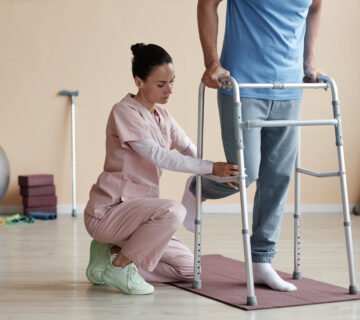
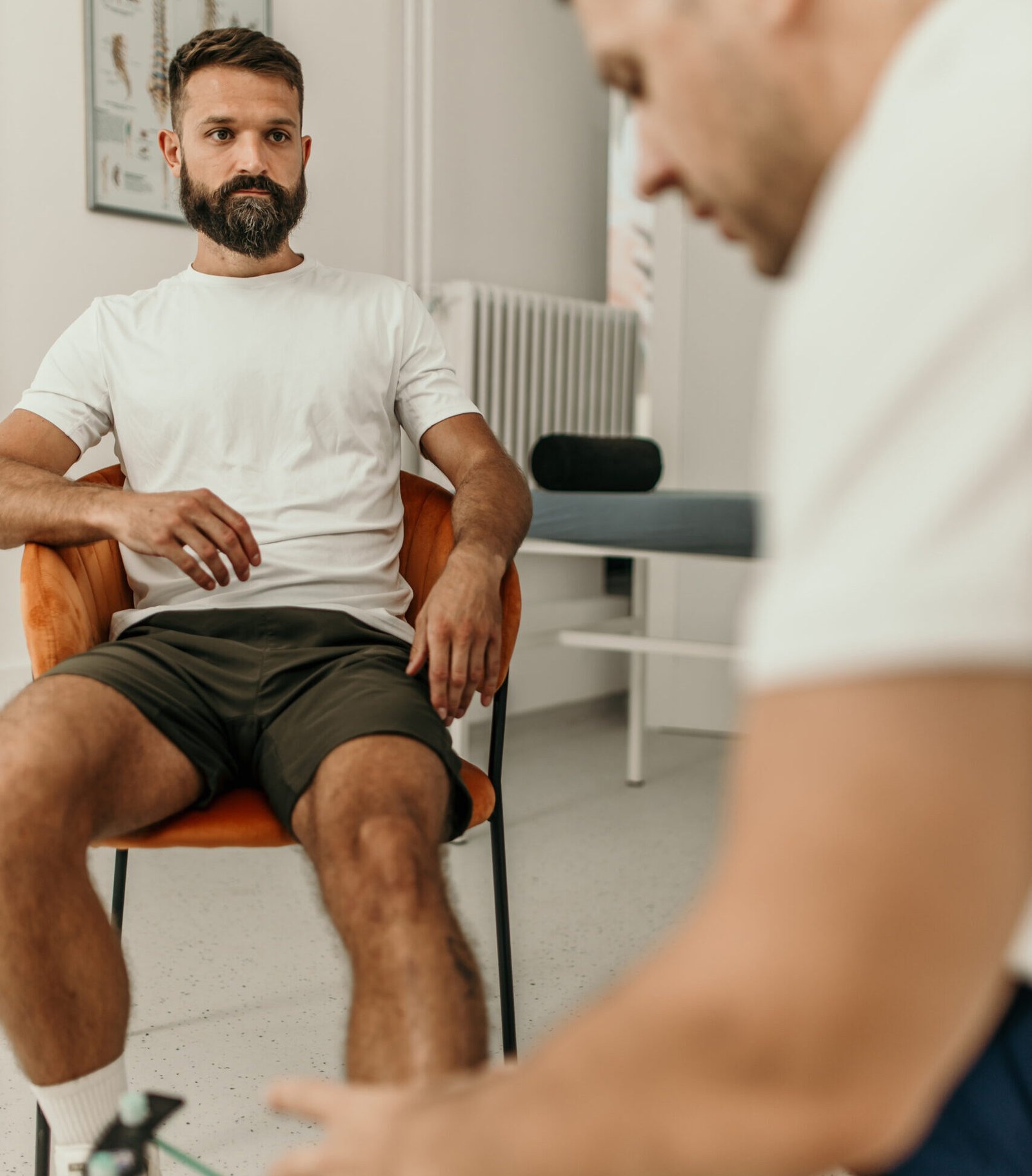
In a modern clinical setting, those lines have blurred into one cohesive approach. When you come to PhysioPath with shoulder pain or rotator cuff tears, we aren’t going to pick just one. We might start with therapeutic massage to calm the nervous system, then move into neuromuscular reeducation to teach your muscles how to fire correctly again. It’s a hybrid model because, frankly, that’s what actually works.
High-Tech Healing in Modern Rehab
One of the biggest shifts in recent years is how we use technology to speed up the healing process. It isn’t just about heat packs anymore (though hot and cold therapy still has its place for immediate relief). We’re now seeing incredible results with Laser therapy (Class IV laser), which penetrates deep into the tissue to kickstart cellular repair.
For those dealing with chronic pain management, tools like TENS (Transcutaneous electrical nerve stimulation) and ultrasound treatment offer a non-invasive way to manage symptoms without over-reliance on medication. We also utilize dry needling and acupuncture to reset “locked” muscles that haven’t responded to traditional stretching.
Specialized Recovery: From Sports to Post-Op
If you’re an athlete, your needs are specific. Sports medicine isn’t just about getting back on the field; it’s about coming back stronger so you don’t end up back in the clinic. For knee pain or ACL tears, we often implement blood flow restriction therapy (BFR). It’s a game-changer because it allows you to gain muscle strength using very light loads essential when a joint isn’t ready for heavy lifting yet.
Similarly, post-operative recovery is a delicate balance. Whether it’s surgery rehab for a hip replacement or recovering from dislocations and fractures, the goal at PhysioPath is to guide the tissue through the healing phases. We also see a lot of desk-job injuries such as carpal tunnel syndrome, tendinitis, or tendinopathy from repetitive strain. These require a mix of ergonomic coaching and targeted rehabilitation.
Navigating the Other Therapies
It’s easy to get lost in the sea of healthcare options. You might ask, Should I see a chiropractor or an occupational therapist?
- Occupational therapy is brilliant for helping you adapt your environment and fine-motor skills.
- Chiropractic care focuses heavily on the spine.
- Hydrotherapy is fantastic for arthritis patients who need a low-impact environment.
At PhysioPath, our specialty is the movement of the human body as a whole. Whether you’re dealing with the lightning-bolt sensation of sciatica or the lingering ache of whiplash after a fender bender, our approach is built on movement science.
Frequently Asked Questions (FAQ)
1. Is there actually a legal difference between PT and Physiotherapy?
In the US, the legal title is Physical Therapist. In many other countries, it’s a physiotherapist. At PhysioPath, we follow global evidence-based protocols that encompass the best of both styles.
2. I have chronic low back pain. Will I just be doing stretches?
Not at all. While stretching helps, we focus on strength training and core stability to ensure the low back pain doesn’t return the moment you stop therapy.
3. What does a Class IV Laser actually do?
It’s a high-power laser that stimulates a process called photobiomodulation. Basically, it helps your cells produce energy faster to repair damaged tissue.
4. Does dry needling hurt?
Most patients feel a twitch or a dull ache. It’s one of the most effective ways to release stubborn trigger points in the neck and shoulders.
5. How is BFR therapy different from normal weightlifting?
Blood flow restriction therapy (BFR) uses a specialized cuff to limit blood flow out of the limb. This “tricks” your brain into thinking the muscle is working much harder than it is, allowing for growth without heavy strain on the joints.
6. How long does post-operative recovery usually take?
It varies, but most surgery rehab programs last between 8 to 12 weeks. Our goal at PhysioPath is to get you back to your baseline as safely and quickly as possible.
7. Can I see a therapist for my arthritis? Absolutely. Movement is one of the best treatments for arthritis. We use a combination of joint mobilization and low-impact exercise to keep your joints lubricated and pain-free.
8. What’s the best way to treat a sports injury?
Early intervention is key. Using rehab techniques like manual therapy and controlled loading early on prevents scar tissue from limiting your future performance.
9. Why is my sciatica acting up now?
Sciatica often flares up due to prolonged sitting or sudden heavy lifting. We look at your movement patterns to find the root cause, rather than just treating the leg pain.
10. Do I need a doctor’s referral to visit PhysioPath?
In many cases, you can come directly to us for an assessment. We’ll evaluate your neck pain or mobility issues and let you know if imaging or a specialist referral is necessary.
Final Thoughts
At the end of the day, the label matters less than the person behind the treatment. Whether you call it physical therapy or physiotherapy, you deserve a plan that is as unique as your injury. From the precision of laser therapy to the foundational work of exercise-based recovery, PhysioPath is here to help you move better, live better, and stay active.
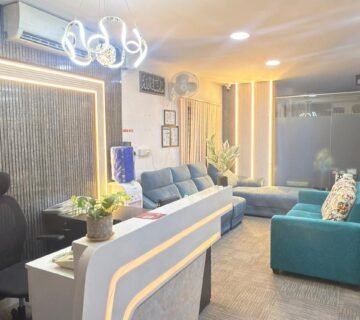
If you are staying within a 10 km radius of HBR Layout, including areas like Kalyan Nagar, Banaswadi, Kammanahalli, Nagawara, Hebbal, or HRBR Layout PhysioPath is your trusted destination for advanced, non-surgical recovery. Our clinic combines expert care with modern technology to serve patients across North and East Bengaluru seeking relief from pain and post-surgical limitations.
Ready to start your journey? Visit PhysioPath at https://physiopath.in/ to book your assessment today and experience the best in personalised clinical care.